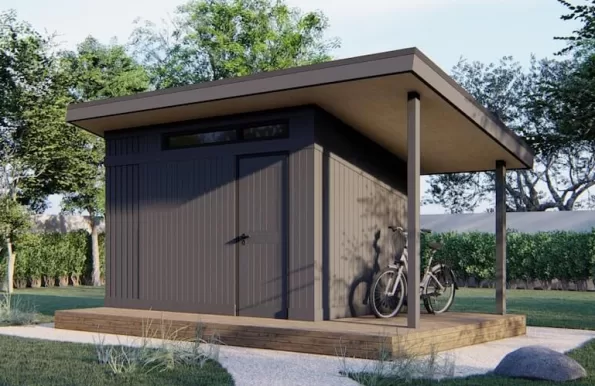
Most important thing a shed owned should do: Shed Insulation Guide

The Complete Guide to Keeping Your Shed Warm in Winter and Cool in Summer
For the growing number of people using their shed as a workshop, garden office, hobby room, craft studio or even a small business headquarters, insulation can completely transform the space.
A well-insulated shed is comfortable throughout the year. It stays warmer during cold winter mornings, cooler on scorching summer afternoons, and provides a stable environment that protects tools, equipment and valuable possessions from damp and condensation.
Whether you’re building furniture, running an online business, restoring classic motorcycles, creating artwork, operating a 3D printer, sewing clothing, or simply looking for a peaceful escape from the house, investing in proper insulation is one of the smartest upgrades you can make.
Why Insulate Your Shed?
Many standard timber sheds are designed for storage rather than year-round occupation. They often feature relatively thin timber walls, uninsulated roofs and timber floors, all of which allow heat to pass through quickly.
During winter, expensive heat escapes almost as fast as you produce it. During summer, sunshine beating down on the roof can turn your shed into something resembling a greenhouse.
Proper insulation helps by slowing the transfer of heat, creating a much more stable indoor environment.
Some of the biggest benefits include:
- A warmer shed during winter
- A cooler shed during summer
- Reduced heating costs
- Better energy efficiency
- Less condensation and damp
- Protection for tools and machinery
- Improved comfort for longer working sessions
- Better sound insulation
- Reduced noise escaping from workshops
- Increased value and usability of your garden building
For many shed owners, insulation effectively adds another usable room to the home.
How Does Shed Insulation Work?
Insulation doesn’t generate warmth—it simply slows the movement of heat.
Think of it like a high-quality insulated travel mug. It keeps coffee hot for hours while also keeping cold drinks chilled.
Your shed works in exactly the same way.
In winter:
- Heat produced by heaters remains inside for much longer.
In summer:
- Heat from the sun enters the building much more slowly.
This means your heating system doesn’t have to work as hard, while the building remains more comfortable even without air conditioning.
Which Parts of a Shed Should Be Insulated?
Many first-time DIYers focus only on insulating the walls, but that’s only part of the picture.
Heat escapes—or enters—from every surface.
1. The Roof
The roof is usually responsible for the greatest amount of heat transfer.
Hot air naturally rises, meaning much of your winter heating disappears through an uninsulated roof.
Likewise, during summer the roof receives direct sunlight for hours, absorbing large amounts of heat.
Adding insulation beneath the roof covering often produces the biggest single improvement.
2. The Walls
Timber walls provide relatively little resistance to changing temperatures.
Insulating between wall studs and finishing with plywood or OSB creates a much more comfortable working environment.
It also reduces draughts considerably.
3. The Floor
People often forget about the floor.
Cold air beneath raised timber sheds can make the entire building feel chilly.
Adding rigid insulation beneath flooring panels or installing insulated flooring systems helps prevent cold travelling upwards.
You’ll certainly notice the difference if you spend long periods standing at a workbench.
4. Doors
Doors are one of the biggest sources of unwanted draughts.
Simple improvements include:
- Rubber weather seals
- Brush strips
- Insulated backing panels
- Better door alignment
- Quality thresholds
Stopping cold air leaking around the edges is often just as important as adding insulation itself.
5. Windows
Glass naturally transfers heat faster than insulated timber walls.
While replacing windows with double glazing is ideal, there are affordable alternatives including:
- Secondary glazing
- Window insulation film
- Thermal curtains
- Honeycomb blinds
These solutions help reduce heat loss during winter while limiting heat gain during summer.
Choosing the Best Shed Insulation Material
There is no single “best” insulation product for every project.
Your choice depends on:
- Budget
- Available wall thickness
- Intended use
- Moisture levels
- Ease of installation
- Fire resistance
- Acoustic performance
Below is a comparison of the most common options used in UK garden buildings.
Insulation Material Thermal Performance Moisture Resistance Sound Reduction Ease of DIY Installation Typical Cost Best For Rigid PIR Foam Board Excellent Excellent Good Easy £££ Garden offices, workshops Mineral Wool Very Good Good (when protected) Excellent Moderate ££ Music rooms, workshops Sheep’s Wool Very Good Excellent Very Good Easy £££ Eco-friendly projects Recycled Plastic Insulation Good Excellent Good Easy £££ Hobby sheds, offices Expanded Polystyrene (EPS) Good Good Fair Very Easy £ Budget projects Extruded Polystyrene (XPS) Very Good Excellent Fair Easy ££ Floors and damp areas Multi-Foil Insulation Moderate Excellent Fair Easy ££ Roof upgrades and space-saving applications
Rigid PIR Foam Boards
Rigid PIR insulation has become one of the most popular materials for modern garden buildings.
Advantages include:
- Excellent thermal performance
- Thin profile
- Moisture resistant
- Lightweight
- Easy to cut
- Long lifespan
Because it performs so well for its thickness, it’s particularly useful when every centimetre of internal space matters.
Mineral Wool
Mineral wool has been used for decades and remains a favourite for workshops.
It offers excellent thermal insulation while also reducing noise.
This makes it ideal if you:
- Use power tools
- Play musical instruments
- Record podcasts
- Run noisy machinery
It should always be protected with an appropriate vapour barrier to prevent moisture reducing its effectiveness.
Sheep’s Wool
Natural insulation has become increasingly popular among environmentally conscious homeowners.
Sheep’s wool naturally regulates moisture while providing excellent insulation throughout the year.
Additional benefits include:
- Renewable material
- Breathable
- Safe to handle
- Long-lasting
- Excellent humidity control
Although more expensive than some alternatives, it appeals to those seeking sustainable building materials.
Recycled Plastic Insulation
Manufactured using recycled plastics, these insulation batts are becoming more widely available.
Compared with traditional mineral wool they are easier to handle because they don’t itch or release irritating fibres.
They’re particularly suitable for DIY projects.
Polystyrene Boards
Polystyrene remains a budget-friendly option.
Although it doesn’t provide quite the same performance as PIR insulation, it can still dramatically improve comfort compared with an uninsulated shed.
It’s especially popular beneath flooring.
Why Vapour Barriers Matter
One of the biggest mistakes people make isn’t choosing the wrong insulation—it’s forgetting moisture control.
Every time you breathe, boil a kettle, paint, or use a heater, moisture enters the air.
When warm, damp air reaches a cold surface, condensation forms.
Over time this can lead to:
- Damp insulation
- Mould
- Timber rot
- Rusty tools
- Unpleasant smells
Installing a vapour control layer on the warm side of your insulation helps prevent moisture travelling into the wall or roof structure.
Combined with sensible ventilation, it keeps your insulation working effectively for many years.
Don’t Forget Ventilation
Some people assume an insulated shed should be completely airtight.
In reality, every occupied building needs controlled ventilation.
Fresh airflow helps remove excess moisture while maintaining healthy air quality.
Good ventilation also helps:
- Prevent mould growth
- Reduce condensation
- Protect timber
- Improve comfort
- Extend the lifespan of the building
Roof vents, opening windows and trickle vents all help achieve the right balance between insulation and airflow.
Heating an Insulated Shed Efficiently
Once your shed is properly insulated, you’ll be surprised how little heating it actually needs. Rather than constantly battling the cold, a well-insulated building retains warmth for much longer, making even a small heater effective.
Popular heating options include:
Oil-Filled Radiators
These are a favourite for garden offices and hobby rooms because they provide gentle, even heat without producing noise. They continue to radiate warmth after being switched off and are inexpensive to run in a well-insulated shed.
Electric Panel Heaters
Slim, wall-mounted panel heaters are ideal where floor space is limited. Many modern models include programmable thermostats and timers, allowing you to warm the shed before you start work.
Infrared Heaters
Infrared heaters warm people and objects rather than the surrounding air. They’re particularly useful in workshops where doors may be opened regularly, as they provide instant heat without wasting energy.
Wood-Burning Stoves
Nothing beats the cosy atmosphere of a small log burner, especially in a traditional workshop or cabin. However, they must be installed safely with suitable flues, heat shields and ventilation, and local regulations should always be followed.
Heat Pumps
For larger garden offices or fully insulated studios, an air source heat pump provides efficient heating in winter and cooling during summer. While more expensive to install, they offer year-round climate control and low running costs.
Keeping Your Shed Cool During Summer
British summers are becoming warmer, and anyone who’s stepped into an uninsulated shed on a sunny afternoon knows how quickly temperatures can soar.
Insulation helps slow heat entering the building, but there are several other ways to keep your shed comfortable:
- Open windows early in the morning to let cool air circulate.
- Close windows and blinds during the hottest part of the day.
- Install roof vents or ridge vents to allow hot air to escape.
- Use light-coloured roofing materials where possible to reflect sunlight.
- Plant trees or climbing plants nearby to provide natural shade.
- Consider external awnings or pergolas for south-facing buildings.
Avoid placing large appliances or heat-generating equipment in direct sunlight, as these can raise internal temperatures even further.
Insulating a Garden Office
Working from home has become the norm for many people, and garden offices offer a peaceful alternative to the kitchen table or spare bedroom.
However, productivity quickly suffers if you’re working in freezing temperatures during winter or sweltering heat during summer.
An insulated garden office provides:
- Consistent working temperatures
- Reduced heating bills
- Better concentration
- Less outside noise
- Improved energy efficiency
- Protection for computers and office equipment
If you’re spending eight hours a day in your garden office, insulation should be considered essential rather than optional.
Workshop Insulation
Whether you’re restoring motorcycles, building furniture, repairing electronics or maintaining classic cars, a workshop benefits enormously from insulation.
Cold workshops can make metal tools uncomfortable to handle, while condensation encourages rust on expensive equipment.
A stable environment helps protect:
- Table saws
- Pillar drills
- Lathes
- Welding equipment
- Air compressors
- Precision measuring tools
- Battery chargers
- Hand tools
Insulation also makes long winter projects much more enjoyable.
Hobby Sheds
One of the wonderful things about sheds is their versatility. Across the UK, people are transforming garden buildings into spaces dedicated to their favourite hobbies.
Woodworking
Dust extraction systems, benches and machinery all benefit from a dry, stable environment. Insulation makes winter woodworking far more pleasant and reduces the risk of damp affecting timber stock.
Arts and Crafts
Whether you’re painting, making jewellery, quilting or scrapbooking, a comfortable temperature helps you enjoy longer creative sessions. Many paints, glues and craft materials also perform best when stored above freezing.
Model Railways
Model railway enthusiasts often invest thousands of pounds in layouts, scenery and electronics. Stable humidity levels help prevent track corrosion, warped baseboards and damage to delicate components.
3D Printing and Laser Engraving
Many desktop manufacturing machines perform better in consistent temperatures. Electronics, filament and resin can all be affected by extreme cold or heat, making insulation a worthwhile investment.
Music Studios
Insulation combined with acoustic treatment helps reduce external noise while also preventing sound from disturbing neighbours.
Running a Small Business from Your Shed
More people than ever are using garden buildings to run successful businesses.
Examples include:
- Online retailers
- Graphic designers
- Photographers
- Garden designers
- Bookkeepers
- Etsy sellers
- Candle makers
- Pottery studios
- Upholsterers
- Bicycle repair services
A comfortable workspace isn’t just about convenience. It improves productivity, protects stock and equipment, and creates a more professional environment if clients visit.
Insulating Metal Sheds
Metal sheds present different challenges to timber buildings because steel conducts heat extremely efficiently.
Without insulation, they can become extremely hot during summer and suffer heavy condensation in winter.
When insulating a metal shed:
- Treat any rust first.
- Ensure adequate ventilation.
- Use insulation that includes a vapour barrier.
- Leave suitable airflow where recommended.
- Seal joints carefully to reduce condensation.
Foil-backed insulation products are often particularly effective for metal structures.
DIY or Professional Installation?
Many homeowners choose to insulate their sheds themselves, especially during renovations or conversions.
DIY installation can save money and is achievable with basic woodworking skills.
However, professional installation may be worth considering if:
- You’re converting a shed into a permanent office.
- Electrical work is involved.
- You require Building Regulations compliance.
- The structure needs major alterations.
- You’re installing heating or plumbing.
Whichever route you choose, taking the time to plan the project carefully will produce far better results.
Typical UK Costs
Costs vary depending on the size of the shed and the materials chosen.
As a rough guide:
Shed Size Budget DIY Mid-Range DIY Premium Finish 6ft × 4ft £150–£300 £300–£500 £500–£800 8ft × 6ft £250–£500 £500–£800 £800–£1,300 10ft × 8ft £400–£700 £700–£1,200 £1,200–£2,000+
While these figures may seem significant, they are often far less than the cost of moving to a larger home or renting commercial workspace.
Common Shed Insulation Mistakes
Avoid these common pitfalls:
- Only insulating the walls and forgetting the roof.
- Ignoring floor insulation.
- Leaving gaps between insulation boards.
- Blocking ventilation completely.
- Installing insulation over damp timber.
- Forgetting vapour barriers.
- Using household carpet underlay as insulation.
- Leaving draughts around doors and windows.
- Storing wet firewood or damp materials inside the shed.
- Overheating the building without adequate ventilation.
Paying attention to these details will improve both comfort and the lifespan of your shed.
Frequently Asked Questions
Can I insulate an old shed?
Yes. Most timber sheds can be retrofitted with insulation, provided the structure is sound and any leaks are repaired first.
Will insulation stop condensation?
It will significantly reduce condensation when combined with proper ventilation and a vapour barrier, but no insulation can eliminate moisture if airflow is poor.
Is it worth insulating a storage shed?
If you only store basic garden tools, insulation may not be essential. However, if you keep expensive equipment, bicycles, electronics or anything vulnerable to damp, it can be a worthwhile investment.
What’s the best insulation for a garden office?
Rigid PIR insulation boards are widely regarded as one of the best options because they provide excellent thermal performance while taking up minimal internal space.
Do I need planning permission?
Insulating an existing shed generally doesn’t require planning permission, but converting it into a permanent living space or making major structural changes may have different requirements. Always check with your local authority if you’re unsure.
Final Thoughts
Insulating your shed is about far more than staying warm during winter. It’s about creating a comfortable, practical space that can be enjoyed throughout the year.
Whether you’re building furniture, painting miniatures, running an online business, repairing bicycles or simply enjoying a quiet retreat in the garden, insulation makes your shed more usable, more energy efficient and far better protected against the British weather.
By insulating the roof, walls, floor, doors and windows, controlling moisture with a vapour barrier and maintaining good ventilation, you can create a garden building that feels like a genuine extension of your home.
As more people embrace flexible working, creative hobbies and garden-based businesses, an insulated shed isn’t simply a nice upgrade—it’s an investment that pays for itself in comfort, productivity and the protection of everything inside.
Other reads
- How to Heat a Shed in Winter
- Garden Office Ideas for Home Working
- The Best Flooring for a Garden Shed
- How to Stop Condensation in a Shed
- Shed Electrics: A Beginner’s Guide
- Best Storage Ideas for Small Workshops
- Creating the Perfect Hobby Shed
- Garden Workshop Essentials
Disclosure: This post may contain affiliate links. If you make a purchase via these links, shedblog.co.uk may earn a small commission at no extra cost to you.
Useful Links
- Your shed-related Company here: like an old-school Blogroll
- Allotment sheds
- Gym shed
- Watch Horror Movies in your shed
- Looking for a Solo Cruise
- Build your own shipping container home
- Powering the UK Garden Shed
- Become Self Sufficient on ¼ Acre
- ProstaVive – Powerhouse Prostate Offer
- Health & Fitness/Men’s Health
- Buy Barndominium Plans
- TedsWoodworking – Best Woodworking Site On The Internet
- How To Setup A Fully Equipped Small Woodworking Shop
- The Ultimate How-To Guide to Building a Tiny House
Support us via Paypal or Buy me a Coffee