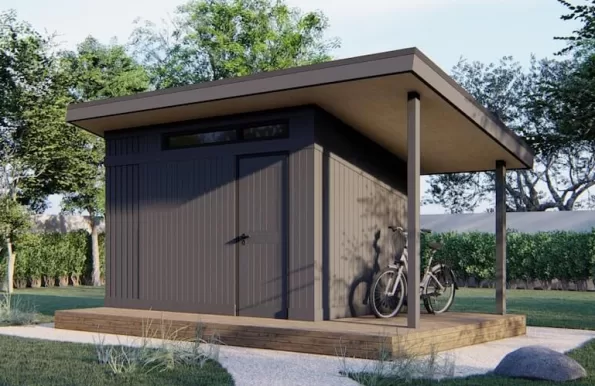
Can I Run a Business from My Shed?

A Comprehensive Guide for UK Entrepreneurs
In recent years, the idea of running a business from home has gained significant traction, especially with the rise of remote work and the increasing popularity of small-scale entrepreneurship. For many, the humble garden shed has become more than just a storage space for tools and old furniture—it’s now a potential hub for business activity. But is it really possible to run a business from your shed in the UK? The short answer is yes, but there are several factors to consider before you start setting up shop. In this blog post, we’ll explore the legal, practical, and financial aspects of running a business from your shed, as well as some inspiring ideas to get you started.
1. The Appeal of Running a Business from a Shed
Before diving into the logistics, it’s worth understanding why so many people are drawn to the idea of being Self Employed from their shed. Here are a few reasons:
- Low Overheads: Compared to renting a commercial space, working from your shed can save you a significant amount of money on rent, utilities, and commuting costs.
- Flexibility: A shed-based business allows you to work on your own terms, whether that’s part-time, full-time, or around other commitments.
- Work-Life Balance: With your workspace just steps away from your home, you can enjoy a better balance between work and personal life.
- Sustainability: Repurposing an existing structure like a shed is an eco-friendly option that reduces the need for new construction.
For many, the shed represents a blank canvas—a space where creativity and entrepreneurship can flourish.
2. Legal Considerations
Running a business from your shed isn’t as simple as moving your laptop and a desk into the space. There are several legal and regulatory considerations to keep in mind, particularly in the UK.
a. Planning Permission
In most cases, you won’t need planning permission to run a business from your shed, as long as it falls under “permitted development” rules. However, there are some exceptions:
- If your business will generate significant noise, traffic, or pollution, you may need planning permission.
- If your shed is located in a listed building or a conservation area, additional restrictions may apply.
- If you plan to make significant alterations to the shed (e.g., adding plumbing or electricity), you may need to consult your local planning authority.
It’s always a good idea to check with your local council to ensure you’re compliant with planning regulations.
b. Business Rates
If your shed is used exclusively for business purposes, you may be liable for business rates. However, if you’re using the space for both personal and business activities, you might be able to avoid this. The Valuation Office Agency (VOA) determines whether a property is subject to business rates, so it’s worth seeking their guidance.
c. Insurance
Your home insurance policy may not cover business activities conducted in your shed. You’ll likely need to purchase additional business insurance to protect your equipment, stock, and liability. Public liability insurance is particularly important if clients or customers will be visiting your shed.
d. Health and Safety
If you’re running a business from your shed, you’re legally required to ensure the space is safe for you and anyone who visits. This includes proper ventilation, electrical safety, and fire precautions. Depending on the nature of your business, you may also need to conduct a risk assessment.
3. Practical Considerations
Once you’ve addressed the legalities, it’s time to think about the practicalities of running a business from your shed.
a. Space and Layout
Sheds come in all shapes and sizes, so it’s important to choose one that suits your business needs. Consider how much space you’ll need for equipment, storage, and workstations. If you’re planning to meet clients in your shed, you’ll also need to create a professional and welcoming environment.
b. Utilities
Most sheds aren’t equipped with electricity, heating, or plumbing, so you’ll need to invest in these if necessary. Hiring a qualified electrician to install power sockets and lighting is essential for safety. If your business requires internet access, you’ll also need to ensure a reliable connection.
c. Security
Your shed will likely contain valuable equipment, stock, or documents, so security is a top priority. Consider installing sturdy locks, an alarm system, and even CCTV cameras to protect your business assets.
d. Comfort
Working in a shed can be isolating, so it’s important to create a comfortable and inspiring workspace. Insulate the walls and roof to keep the space warm in winter and cool in summer. Add personal touches like plants, artwork, or a coffee station to make the space feel inviting.
4. Business Ideas for Your Shed
The possibilities for shed-based businesses are virtually endless. Here are a few ideas to spark your creativity:
a. Craft and Artisan Businesses
If you’re skilled in crafts like woodworking, pottery, or sewing, your shed could become a workshop for creating and selling handmade goods. Platforms like Etsy make it easy to reach a global audience. You could specialize in custom furniture, handmade candles, or even bespoke wedding decorations. The key is to find a niche that aligns with your skills and passions.
b. Photography Studio
With the right lighting and backdrop, a shed can be transformed into a cozy photography studio for portraits, product shots, or even small events. Invest in some professional lighting equipment, a few props, and a high-quality camera, and you’ll be ready to start capturing memories for your clients. You could even offer themed photo shoots for holidays, birthdays, or special occasions.
c. Online Retail
Use your shed as a storage and packing space for an online retail business. Whether you’re selling vintage clothing, books, or electronics, a shed can provide the perfect base for your operations. With the rise of e-commerce platforms like Amazon, eBay, and Shopify, it’s easier than ever to set up an online store and start selling to customers around the world.
d. Personal Training or Yoga Studio
If you’re a fitness enthusiast, consider turning your shed into a mini gym or yoga studio. With a bit of soundproofing, you can offer one-on-one sessions or small group classes. You could also expand your offerings to include wellness services like meditation workshops or nutrition coaching. This is a great option for those who want to combine their passion for fitness with a flexible work schedule.
e. Creative Writing or Consulting
For those in creative or professional services, a shed can serve as a quiet retreat for writing, graphic design, or consulting work. Whether you’re a freelance writer, a marketing consultant, or a web designer, a shed office can provide the peace and quiet you need to focus on your projects. Add a comfortable chair, a sturdy desk, and some inspiring decor, and you’ll have the perfect workspace.
f. Gardening or Landscaping Services
If you have a green thumb, your shed could double as a base for a gardening or landscaping business. Store your tools and equipment in the shed, and use it as a workspace for planning and admin. You could offer services like garden design, lawn care, or plant maintenance to local clients. With the growing interest in sustainable living, there’s also potential to specialize in eco-friendly gardening practices.
g. Beauty and Wellness Services
Transform your shed into a mini salon or wellness retreat. Offer services like haircuts, manicures, massages, or even acupuncture. With the right setup, you can create a relaxing and professional environment for your clients. This is a great option for those with a background in beauty or wellness who want to work independently.
h. Pet Grooming or Training
If you’re an animal lover, consider starting a pet grooming or training business from your shed. With some basic equipment like grooming tables, clippers, and shampoos, you can offer grooming services for dogs, cats, and other small animals. Alternatively, you could offer dog training sessions, helping pet owners teach their furry friends new tricks or improve their behavior.
i. Microbrewery or Distillery
For those with a passion for brewing or distilling, a shed can be the perfect place to start a small-scale brewery or distillery. With the right equipment, you can produce craft beers, ciders, or spirits and sell them locally or online. This is a growing industry in the UK, with many small producers gaining a loyal following.
j. Repair and Restoration Services
If you’re handy with tools, consider offering repair and restoration services from your shed. Whether it’s fixing bicycles, restoring antique furniture, or repairing electronics, there’s always demand for skilled repair services. This can be a particularly rewarding business, as you’ll be giving new life to old items and reducing waste.
5. Financial Considerations
Running a business from your shed can be cost-effective, but there are still financial considerations to keep in mind.
a. Startup Costs
Depending on the type of business you’re starting, you may need to invest in equipment, stock, or marketing. Don’t forget to factor in the cost of renovating and outfitting your shed. For example, if you’re setting up a photography studio, you’ll need to purchase lighting equipment and backdrops. If you’re starting a beauty business, you’ll need to invest in salon chairs, mirrors, and beauty products.
b. Tax Implications
As a business owner, you’ll need to register with HMRC and keep accurate records of your income and expenses. You may also be able to claim tax relief on certain costs, such as utilities and equipment. It’s a good idea to consult with an accountant to ensure you’re taking advantage of all available tax benefits.
c. Pricing and Profitability
Research your market to ensure your pricing is competitive and profitable. Consider how much you’ll need to earn to cover your costs and make a living. For example, if you’re offering personal training sessions, calculate how many clients you’ll need to see each week to meet your financial goals.
6. Success Stories
To inspire you, here are a few examples of successful UK businesses that started in a shed:
a. The Shed Distillery
This Irish gin distillery started in a small shed and has since won numerous awards for its products. The Shed Distillery, located in County Leitrim, produces the popular Gunpowder Irish Gin and has expanded its operations significantly since its humble beginnings.
b. Etsy Sellers
Countless Etsy sellers have turned their sheds into thriving workshops, creating everything from jewelry to furniture. For example, UK-based seller Little Wren Pottery started as a small pottery studio in a garden shed and has grown into a successful business selling handmade ceramics.
c. Charlie’s Shed
Charlie’s Shed is a UK-based business that started in a garden shed and now produces a range of handmade wooden toys and gifts. The business has grown significantly since its inception, and its products are now sold in shops across the UK.
d. The Shed Brewery
The Shed Brewery, based in Devon, started as a small-scale operation in a garden shed. The brewery has since expanded and now produces a range of craft beers that are sold in local pubs and shops.
e. The Shed Café
The Shed Café, located in the UK, started as a small coffee shop in a garden shed and has since grown into a popular local spot. The café offers a range of homemade cakes, sandwiches, and coffee, and has become a favorite among locals.
f. The Shed Barber
The Shed Barber is a UK-based barber shop that started in a garden shed. The business has since expanded and now offers a range of grooming services for men, including haircuts, shaves, and beard trims.
g. The Shed Bakery
The Shed Bakery, based in the UK, started as a small bakery in a garden shed and has since grown into a successful business producing a range of artisan breads and pastries. The bakery supplies local shops and cafes and has gained a loyal following.
7. Final Thoughts
Running a business from your shed is not only possible but can also be a rewarding and cost-effective way to pursue your entrepreneurial dreams. By addressing the legal, practical, and financial considerations, you can create a workspace that’s both functional and inspiring. Whether you’re crafting, consulting, or selling, your shed could be the key to unlocking your business potential.
One of the most appealing aspects of running a shed-based business is the ability to start small and grow at your own pace. Unlike traditional businesses that require significant upfront investment, a shed business allows you to test your ideas with minimal risk. If your business takes off, you can reinvest your profits into expanding your operations. If it doesn’t, you can pivot to a new idea without the burden of long-term leases or expensive overheads.
Another advantage is the sense of independence and creativity that comes with running your own business. Your shed is your domain, and you have the freedom to design it however you like. Whether you want a cozy, rustic vibe or a sleek, modern workspace, the choice is yours. This personal touch can also help you connect with your customers, as people often appreciate the authenticity and passion behind small, independent businesses.
So, if you’ve been dreaming of starting your own business, why not take a look at that shed in your garden? With a bit of creativity and planning, it could become the perfect launchpad for your next venture. From beauty services to pet grooming, the opportunities are endless. Your shed might just be the secret to your success!
8. Tips for Getting Started
If you’re ready to turn your shed into a business hub, here are a few tips to help you get started:
- Start Small: Begin with a simple business idea that requires minimal investment. As your business grows, you can expand your operations and invest in more equipment or stock. For example, if you’re starting a craft business, focus on a few key products before diversifying your range.
- Network: Join local business groups or online communities to connect with other entrepreneurs. Networking can help you gain valuable insights and find potential customers or collaborators. Attend local markets, fairs, or trade shows to showcase your products and build relationships within your community.
- Market Your Business: Use social media, a website, or local advertising to promote your business. Platforms like Instagram, Facebook, and TikTok are great for showcasing visually appealing products like handmade crafts or photography services. Word of mouth can also be a powerful tool, so don’t be afraid to ask satisfied customers to spread the word.
- Stay Organized: Keep track of your finances, inventory, and appointments to ensure your business runs smoothly. Consider using software or apps to help you stay organized. For example, accounting software like QuickBooks or Xero can help you manage your finances, while tools like Trello or Asana can help you stay on top of tasks and deadlines.
- Be Patient: Building a successful business takes time and effort. Stay focused on your goals and be prepared to adapt as you learn and grow. Don’t be discouraged by setbacks—every successful entrepreneur faces challenges along the way. Use these experiences as opportunities to learn and improve.
- Seek Feedback: Regularly ask for feedback from your customers to understand what’s working and what could be improved. This can help you refine your products or services and build stronger relationships with your clients. For example, if you’re running a beauty business, ask your clients about their experience and what additional services they might like to see.
- Invest in Your Skills: If your business requires specialized skills, consider taking courses or workshops to improve your expertise. For example, if you’re starting a photography business, invest in training to learn advanced techniques or editing software. This will not only improve the quality of your work but also help you stand out from competitors.
- Create a Brand Identity: Develop a strong brand identity that reflects your values and appeals to your target audience. This includes choosing a memorable business name, designing a logo, and creating a consistent visual style for your marketing materials. A strong brand can help you build trust and loyalty with your customers.
- Plan for Growth: As your business grows, you may need to expand your shed or move to a larger space. Think ahead about how you’ll manage growth, whether that’s hiring employees, outsourcing tasks, or investing in new equipment. Having a clear plan in place will help you navigate the challenges of scaling your business.
- Celebrate Milestones: Running a business can be challenging, so don’t forget to celebrate your achievements along the way. Whether it’s landing your first big client, reaching a sales target, or simply surviving your first year in business, take the time to acknowledge your hard work and success.
9. Photo Ideas for Your Shed Business
If you’re planning to market your shed-based business, high-quality photos can make a huge difference. Here are some ideas for photos that can showcase your business effectively:
- Before and After Shots: If you’re offering a service like furniture restoration or landscaping, take before-and-after photos to highlight the transformation. These are great for social media and websites.
- Workspace Setup: Showcase your shed’s interior with photos of your workspace, tools, and equipment. This gives potential customers a behind-the-scenes look at your business.
- Product Photography: If you’re selling handmade goods, invest in professional-looking product photos. Use natural light and simple backgrounds to make your products stand out.
- Action Shots: Capture yourself or your team in action, whether it’s crafting, grooming pets, or teaching a yoga class. These photos add a personal touch and help customers connect with your brand.
- Customer Testimonials: If clients visit your shed, take photos of them enjoying your services (with their permission, of course). These can be used as testimonials on your website or social media.
- Seasonal Themes: Decorate your shed for different seasons or holidays and take photos to promote seasonal offers or products. For example, a cozy winter setup with fairy lights or a summer-themed garden shed.
- Before and After Renovation: If you’ve transformed your shed into a workspace, document the process with photos. This can inspire others and show the potential of shed-based businesses.
- Lifestyle Shots: Show how your products or services fit into everyday life. For example, if you sell handmade candles, photograph them in a cozy home setting.
- Client Interactions: If you meet clients in your shed, take photos of the space set up for meetings or consultations. This helps potential customers visualize what to expect.
- Social Media Stories: Use your phone to capture short videos or time-lapse clips of your work process. These are perfect for Instagram Stories or TikTok.
10. Conclusion
Running a business from your shed is a viable and exciting option for many UK entrepreneurs. With the right planning, creativity, and determination, you can transform your garden shed into a thriving business space. Whether you’re crafting handmade goods, offering professional services, or starting a microbrewery, the possibilities are endless. So, take the leap and turn your shed into the foundation of your entrepreneurial journey. Your dream business could be just a few steps away!
Disclosure: This post may contain affiliate links. If you make a purchase via these links, shedblog.co.uk may earn a small commission at no extra cost to you.
Useful Links
- Your shed-related Company here: like an old-school Blogroll
- Allotment sheds
- Gym shed
- Watch Horror Movies in your shed
- Looking for a Solo Cruise
- Build your own shipping container home
- Powering the UK Garden Shed
- Become Self Sufficient on ¼ Acre
- ProstaVive – Powerhouse Prostate Offer
- Health & Fitness/Men’s Health
- Buy Barndominium Plans
- TedsWoodworking – Best Woodworking Site On The Internet
- How To Setup A Fully Equipped Small Woodworking Shop
- The Ultimate How-To Guide to Building a Tiny House
Support us via Paypal or Buy me a Coffee