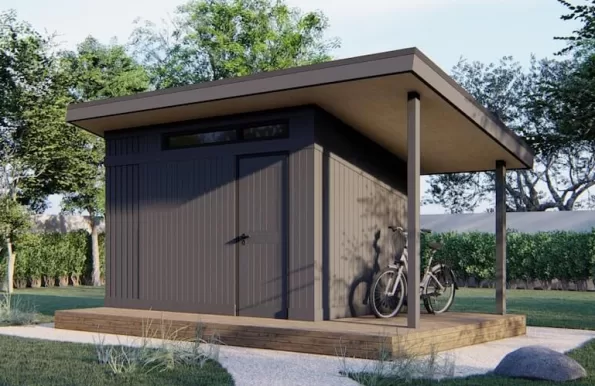
Garden Steam Rooms: Bringing the Spa Experience to Your Back Garden

Garden steam rooms have grown in popularity as an accessible home wellness project, offering moist heat at temperatures between 40°C and 50°C in a dedicated outdoor structure. Unlike indoor installations, a garden building separates the wellness space from the main house and enables the health-boosting contrast between cold outdoor air and heat.
Successful builds require a vapour barrier, rigid insulation, full interior tanking, and a correctly sized steam generator. Self-builds can cost £3,000 to £6,000, while contractor-installed rooms typically range from £8,000 to £25,000 or more depending on specification.
There’s something genuinely luxurious about stepping out of your back door and into a cloud of warm, fragrant steam. Garden steam rooms have quietly become one of the most sought-after shed and garden building projects, and it’s easy to see why. Once the preserve of high-end spas and five-star hotels, a private steam room in your garden is now well within reach for many homeowners. Whether you’re after a serious wellness investment or simply want somewhere to unwind after a long week, a garden steam room might be exactly the project you’ve been putting off.
What Is a Garden Steam Room?
Unlike a sauna, which uses dry heat, a steam room uses a steam generator to fill the space with moist heat, typically at temperatures between 40°C and 50°C, with humidity reaching close to 100%. The result is that distinctive enveloping warmth that loosens muscles, opens pores, and has a genuinely calming effect on the mind.
A garden steam room is a dedicated outbuilding, usually purpose-built or converted from an existing garden room or shed, fitted with proper insulation, a waterproof interior, and a quality steam generator. Done well, it feels nothing like a cramped hotel spa cubicle. Done well, it feels like your own private retreat at the bottom of the garden.
Why Put It in the Garden?
The most obvious answer is space. Most homes simply don’t have room for a dedicated wet room installation indoors. A garden building solves that instantly and comes with the added bonus of separating your wellness space from the noise and busyness of the main house.
There’s also something genuinely restorative about the walk between your house and the steam room, particularly in cooler months. That brief blast of cold air before you step into the heat is part of the ritual, and many steam room enthusiasts swear by the contrast as part of the health benefit. In Scandinavian countries, the practice of moving between heat and cold is considered essential rather than optional, and it’s a habit that’s easy to build into a garden setup.
Having a dedicated building also means the space can be designed entirely around the experience. No compromising with bathroom tiles that don’t quite work, no sneaking past a sleeping household at 10pm. It’s yours, it’s separate, and it exists entirely on your terms.
Planning Your Garden Steam Room
Before you start, there are several things worth getting right from the outset.
Building Regulations and Planning Permission
Most garden steam rooms will fall under permitted development, meaning you won’t need full planning permission, provided the building doesn’t exceed certain height and footprint limits. However, it’s always worth checking with your local authority, particularly if you live in a conservation area or a listed building.
If you’re connecting electricity and water to the outbuilding, you will need to involve a qualified electrician and potentially a plumber, and certain electrical works will require sign-off under Part P of the Building Regulations. Don’t skip this step. Water and electricity in a high-humidity environment is not somewhere to cut corners.
Choosing the Right Structure
A garden steam room needs to be properly insulated and completely waterproof. The structure needs to handle high humidity over many years, so material choice matters enormously. Treated timber frames are common, but the interior cladding should be a non-porous material: ceramic or porcelain tile, natural stone, or purpose-made steam room panels. Avoid anything that will warp, swell, or degrade with persistent moisture.
Ceiling height is worth thinking about too. Steam rises, so a lower ceiling of around 2 metres helps keep the heat and steam at the level where you’re actually sitting. Go too high and you’ll spend half your session heating empty space above your head.
Ventilation also needs careful thought. You want to retain steam during use, but the room needs to dry out thoroughly between sessions to prevent damp, mould, and structural damage over time. A well-designed ventilation system with a timer is a small cost that protects a significant investment.
The Steam Generator
The steam generator is the heart of the whole project. Sizing it correctly for your room is essential: too small and the room will struggle to fill with steam; too large and you’ll overheat quickly with no control. As a rough guide, you need approximately 1kW of generator output per 1 cubic metre of room volume, adjusted upward if you’re using stone or tile rather than timber, as these materials absorb more heat before releasing it back.
Look for a generator with a digital control panel, a self-draining function (important for longevity), and ideally one that can accommodate aromatherapy oils or essential oil capsules. Eucalyptus is the classic choice and genuinely does help with breathing. Lavender works well for evening sessions when you want to wind down rather than invigorate.
Seating and Layout
The classic layout is a tiled bench running along one or two walls, usually at two levels to allow sitting at different heights. The lower bench gives a cooler, gentler experience; the upper bench is hotter and more intense. Cedar wood is a popular choice for bench surfaces as it handles moisture well and stays cool to the touch even in high heat.
Allow enough room to lie down if you want to fully relax, and think carefully about where the steam outlet is positioned. It should be low down, away from where anyone is likely to be sitting directly on top of it. Lighting deserves attention too: soft, warm, waterproof LED lighting creates a far more relaxing atmosphere than bright overhead whites, and coloured chromotherapy lighting is worth considering if you want to lean into the full spa experience.
A small shelf or niche for toiletries, a hook for towels, and a simple waterproof speaker connection might all seem like minor details, but they’re the things that separate a room you use every day from one you visit once a fortnight.
Building It Yourself
For those with solid DIY skills and a methodical approach, building a garden steam room yourself is absolutely achievable. It won’t be a quick weekend project, and certain elements will still require qualified tradespeople, but the bulk of the construction work is within reach of a competent builder-level DIYer. Getting it right requires careful sequencing, the right materials, and a realistic assessment of your own abilities before you start.
The Shell and Insulation
The outer structure is usually the easiest part if you’re starting from scratch. A timber stud frame on a concrete or paved base, clad externally with treated timber boards or similar weatherproof material, is a straightforward build for anyone with basic carpentry skills. If you’re converting an existing shed or garden room, you’re a step ahead.
The critical work is what goes inside the frame. You need a continuous vapour barrier on every wall, floor, and ceiling surface before any cladding goes on. This is non-negotiable. Without it, steam will work its way into the structure over time, causing rot, mould, and eventual structural failure. Use a proper polythene vapour barrier rated for high-humidity environments, lap and tape every join carefully, and pay particular attention to corners and penetrations where pipes or cables pass through.
Over the vapour barrier, rigid insulation board provides thermal performance. Kingspan or Celotex at 50mm to 75mm thickness is a common choice. The goal is to keep the heat inside the room where it belongs, not bleeding out through the walls.
Waterproofing the Interior
Once the insulated shell is complete, every interior surface needs to be fully tanked before tiling. Use a proprietary tanking slurry or waterproof membrane system, applied in at least two coats to all walls, floor, and ceiling. This is the stage where many DIY steam rooms fail: people assume the tiles themselves are waterproof enough. They are not. Grout lines and tile adhesive will allow moisture through over time if there’s no tanking layer beneath.
Take particular care around any pipe penetrations, the steam outlet position, and floor drain if you’re including one. Seal these points properly with appropriate waterproof collars or flexible sealant before tiling over them.
Tiling
Tiling a small steam room is manageable for anyone with some tiling experience. Use a rapid-set, flexible tile adhesive rated for wet and steam environments, and a flexible, anti-mould grout. Avoid large format tiles on the ceiling unless you have experience with overhead tiling, as the adhesive needs sufficient time to grip before the weight becomes a problem.
Keep tile sizes modest on the floor and slope it very slightly towards any drain or low point so water doesn’t pool. A non-slip tile finish on the floor is worth specifying for obvious reasons.
Electrics and Plumbing
This is where DIY ends for most people, and rightly so. The electrical installation for the steam generator, lighting, and any extractor fan must be carried out by a Part P registered electrician, and the work must be certified. This is both a legal requirement and a genuine safety matter.
Similarly, if you’re running a cold water supply to the generator, a qualified plumber should make the final connections. The costs for these trades on a small outbuilding project are not significant in the context of the overall build, and the certificates they provide protect you, your insurance, and any future property sale.
What It Will Cost to Self-Build
The material costs for a self-build garden steam room are considerably lower than a fully contracted job. A 2m x 2m room built to a good standard might come in at £2,500 to £4,500 in materials, including the steam generator, tanking, insulation, tiles, and fittings. Add £500 to £1,500 for electrician and plumber costs depending on the complexity of the connections, and you’re looking at a total of roughly £3,000 to £6,000 for a well-built self-build result.
The saving over a contracted build is real and substantial. The trade-off is time, skill, and the willingness to do the unglamorous preparatory work properly. Cut corners on the tanking or vapour barrier and you’ll be tearing it all out within five years. Do it carefully and a self-built steam room will last as long as any professional installation.
Health Considerations
Steam rooms have a long list of claimed benefits: improved circulation, relief from muscle tension, clearer skin, respiratory benefits, and stress reduction. Many of these are well-supported by evidence, and regular users tend to report genuine improvements in sleep quality and recovery after exercise.
That said, steam rooms aren’t suitable for everyone. People with cardiovascular conditions, low blood pressure, skin conditions, or those who are pregnant should consult a GP before regular use. Sessions should generally be kept to 15 to 20 minutes, and it’s important to hydrate well before and after. Starting with shorter sessions at lower temperatures and building up gradually is always the sensible approach, particularly if you’re new to steam bathing.
Children can use steam rooms with appropriate supervision, but the temperature and session length should be reduced significantly. It’s also worth having a simple thermometer and hygrometer mounted on the wall so you always know the conditions inside the room.
Costs to Expect
Garden steam room costs vary considerably depending on size, specification, and whether you’re building from scratch or converting an existing structure. A modest, well-specified garden steam room might come in at anywhere from £8,000 to £15,000 fully installed by a contractor. A larger, more luxurious build with premium tiling, underfloor heating, and a high-end steam generator could easily reach £25,000 or more.
Running costs are relatively low. A typical home steam generator uses between 2kW and 7.5kW of electricity, and a 20-minute session at current UK electricity rates costs roughly 50p to £2 depending on your generator size and current tariff. It’s worth checking your energy rate when budgeting, as these figures shift with the market.
Maintenance is minimal if the room is well-designed: regular cleaning of the generator’s water reservoir, descaling every few months depending on your water hardness, and keeping the room ventilated between uses is broadly all that’s required.
Is It Worth It?
If you use it regularly, the answer is almost always yes. The wellbeing benefits compound over time, and having a space entirely dedicated to relaxation and recovery is genuinely difficult to put a price on. For many people who’ve built one, it becomes the part of the garden they use more than any other, regardless of the weather.
It also adds value to your property, provided it’s well-built and properly finished. Buyers increasingly look for wellness features, and a quality garden steam room is a distinguishing feature that relatively few homes can offer. As interest in home wellness continues to grow, that’s unlikely to change.
If you’ve been on the fence, the honest advice is to speak to a specialist builder, get a feel for the costs involved for your specific garden and requirements, and then make the decision based on how much you’d genuinely use it. Most people who build one wish they’d done it sooner.
Disclosure: This post may contain affiliate links. If you make a purchase via these links, shedblog.co.uk may earn a small commission at no extra cost to you.
Useful Links
- Your shed-related Company here: like an old-school Blogroll
- Allotment sheds
- Gym shed
- Watch Horror Movies in your shed
- Looking for a Solo Cruise
- Build your own shipping container home
- Powering the UK Garden Shed
- Become Self Sufficient on ¼ Acre
- ProstaVive – Powerhouse Prostate Offer
- Health & Fitness/Men’s Health
- Buy Barndominium Plans
- TedsWoodworking – Best Woodworking Site On The Internet
- How To Setup A Fully Equipped Small Woodworking Shop
- The Ultimate How-To Guide to Building a Tiny House
Support us via Paypal or Buy me a Coffee