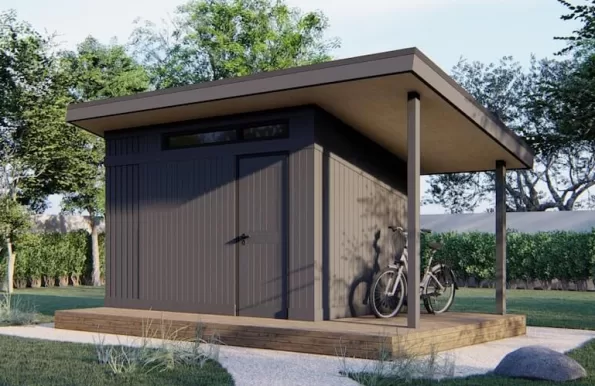
Why a Beehive on Your Shed Roof Is Brilliant for Mental Well-Being When You Work From Home

In 2026, UK employers are turning their rooftops into buzzing beehive gardens – not just as an ecological statement, but as a deliberate wellbeing initiative designed to help people reconnect with nature, temper stress, and foster community among workers. According to a Guardian report, businesses across the country are installing beehives on office rooftops, courtyards, and car parks to help staff connect with the natural world. This is part of efforts to improve mental health, ease burnout, and build a shared sense of purpose.
But you don’t need a corporate rooftop to reap these benefits. If you work from home – particularly from a shed office – installing a beehive on your shed roof can bring some of the same advantages right into your daily routine. Here’s how it works, why it matters, and what you should think about if you’re considering a hive on your own workspace.
The Buzz About Bees and Well-Being
First, let’s unpack why people are associating bees with mental wellbeing.
Research and beekeeping organisations alike highlight how interacting with nature – and especially learning to care for another living system – can reduce stress, encourage mindfulness, and promote emotional balance. Beekeeping requires calm, intention, and presence of mind; tasks like inspecting frames or watching bees at work draw your focus into the present moment, much like mindfulness practices do. This heightened awareness fosters emotional regulation, reduces anxiety, and even offers a grounding routine that contrasts sharply with the fast pace of modern work life. (HiveKeepers)
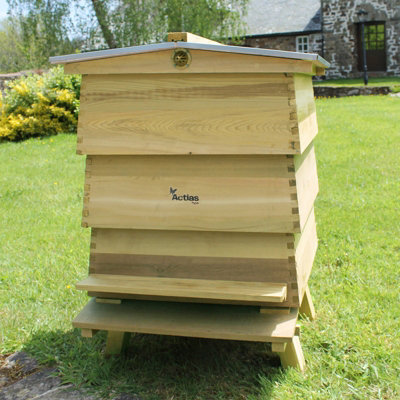
Furthermore, seeing bees darting in and out of their hive, tending brood, and working collectively can be calming. Many beekeepers describe the hum of bees as almost meditative – a gentle, rhythmic sound that can help soothe a busy mind. In work-from-home environments, where screen fatigue and a blurring of boundaries between work and life are common, this contrast with the noise of digital life can be genuinely restorative. (The Best Bees Company)
From Corporate Rooftops to Your Shed Roof
In offices, beehives are becoming part of structured wellbeing programmes. Employers are working with beekeepers to install hives, run lunchtime workshops, and even put hive cameras in break rooms so staff can watch the activity from their desks. These initiatives are praised for strengthening team bonds, encouraging engagement with nature, and offering meaningful, restorative breaks throughout the workday – often more impactful than conventional perks like gym memberships or free snacks.
But if you’re a “sheddie” – someone who lives by and works in a shed office – you’re already closer to nature than most desk-workers. Topping your workspace with a beehive extends that connection. Instead of watching bees through a screen, you’ll see them flying right outside your window. That proximity alone can subtly reshape your workday: it gives you reasons to pause, breathe, and notice something beautiful and busy beyond your to-do list.
A Case in Point: The Bee Eco Shed – Shed of the Year 2018

One of the most iconic examples of integrating bees and sheds isn’t just theoretical – it’s award-winning.
The Bee Eco Shed was crowned Shed of the Year 2018 in the UK. This eco-focused shed wasn’t just another storage outbuilding: it was designed as a habitat for wildlife. The structure featured multiple beehives on its roof, a wildflower garden, and even a “bug house,” all aimed at attracting pollinators and celebrating the life they support. (
Built by a Sheffield craftsman, it impressed judges and the public alike for bringing together creative shed design, practical ecology, and a genuine contribution to nature. It’s a perfect illustration of what can happen when you think of your shed not just as workspace or storage, but as part of your home ecosystem – and as a tool for personal wellbeing.
By drawing attention to bees and biodiversity, The Bee Eco Shed demonstrated how even small backyard spaces can support thriving natural processes. And if that’s possible on a garden shed, it’s certainly possible on a dedicated home office shed.
George has since moved on from that shed and is starting all over again somewhere else, here is his youtube channel
Practical Tips for Installing a Beehive on Your Shed Roof
If you’re excited by the idea of hosting bees on your shed roof, here are essential things to consider:
1. Choosing the Right Hive Type
There are several common hive designs to choose from:
- Langstroth hives – The most familiar type to many beekeepers. They use vertically stacked boxes with removable frames, making hive inspections and honey harvesting easier.
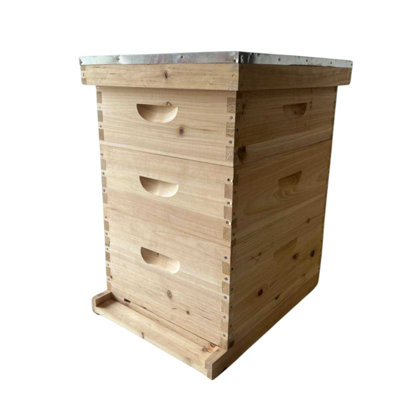
- Top-bar hives – Simpler and often preferred by hobbyists. These horizontal hives have bars on which bees build comb naturally, which can be less intrusive and more approachable for beginners.
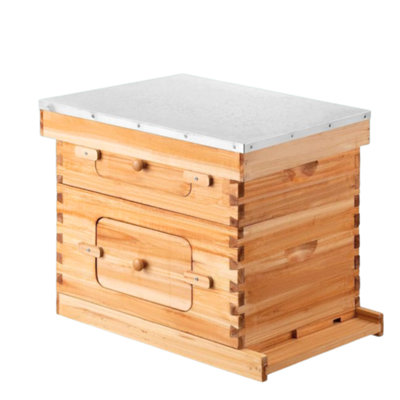
- National hives (BS National) – A classic British hive design based on the Langstroth model, well suited to UK climates and common among hobbyists.
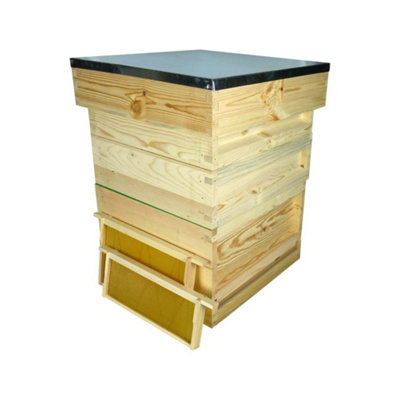
Each type has advantages and learning curves. New beekeepers often start with a Langstroth or National hive because the standardised frames make management straightforward. Top-bar hives, while simpler in design, require more careful handling of comb.
2. Structural Considerations
Your shed roof will need to be:
- Strong and stable – Bees and hive equipment can weigh 30–40kg+ once occupied.
- Dry and sheltered – Bees, like most creatures, thrive in dry environments with stable temperatures.
Make sure the hive is securely positioned so it won’t tip. Many beekeepers add a solid stand or platform just above the roofline instead of mounting directly on shingles.
3. Access and Safety
While you’ll enjoy watching bees from your shed office window, you also need safe and easy access for inspections and honey harvests. Plan a path that keeps you out of main walkways and away from neighbours.
Wear protective gear when managing the hive. Bee smokers and proper suits are essential for safety during hive checks.
4. Local Regulations and Neighbourliness
Check local rules on urban beekeeping or home hives – some councils have guidelines about hive placement and numbers. Even in residential areas, neighbourhood-friendly beekeeping is usually possible with good planning and communication.
5. Forage and Habitat
Bees need flowers. To support your hive, plant a mix of nectar- and pollen-rich wildflowers, herbs, and shrubs around your garden. A bee bath (shallow water with stones) also helps bees stay hydrated on hot days.
Mindful Moments Beyond the Screen
The real value in a shed roof hive isn’t the honey (though that’s a nice bonus) – it’s the pause it offers.
Working from home can be isolating, especially when Zoom calls bookend your day and you don’t get the natural breaks that office routines impose. Bees give those pauses back. A quick look out of the window to watch bees work, or a slow walk around your hive and garden in the sunshine, interrupts the mental spiral in a way few other activities do.
The bees aren’t there to entertain you – they’re simply living their lives – but that quiet, purposeful busyness has a calming effect on the observer. It encourages presence, nurtures a sense of hope, and reminds us that life beyond work marches on in beautiful and surprisingly orderly ways.
Final Thought
Whether people are installing rooftop hives on corporate offices to help alleviate burnout and build community, or you’re looking at your own shed roof as a place to welcome pollinators, bees offer a bridge back to nature. By putting a hive on your shed office roof, you’re inviting more than just honey production – you’re creating opportunities for mindfulness, connection, and a healthier work-from-home life.
Disclosure: This post may contain affiliate links. If you make a purchase via these links, shedblog.co.uk may earn a small commission at no extra cost to you.
Useful Links
- Your shed-related Company here: like an old-school Blogroll
- Allotment sheds
- Gym shed
- Watch Horror Movies in your shed
- Looking for a Solo Cruise
- Build your own shipping container home
- Powering the UK Garden Shed
- Become Self Sufficient on ¼ Acre
- ProstaVive – Powerhouse Prostate Offer
- Health & Fitness/Men’s Health
- Buy Barndominium Plans
- TedsWoodworking – Best Woodworking Site On The Internet
- How To Setup A Fully Equipped Small Woodworking Shop
- The Ultimate How-To Guide to Building a Tiny House
Support us via Paypal or Buy me a Coffee