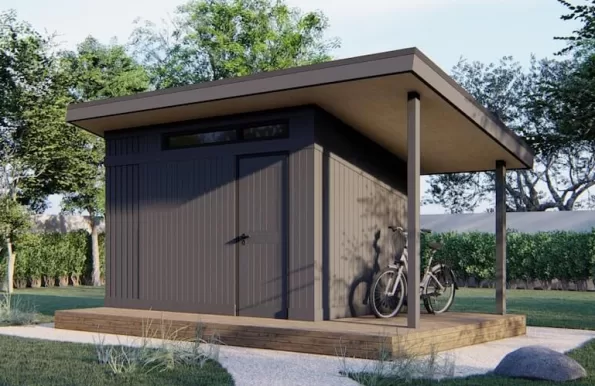
Rainwater Harvesting UK: Collect Free Water with Your Shed & Green Roof

.
Your Backyard Secret Weapon: Catching Rain with Your Shed & Going Green Overhead
The heavens open, and there it is – that familiar, comforting sound of rain drumming on your roof. For most of us, it’s just part and parcel of living in the UK, a signal to grab a brolly or perhaps groan about the washing. But what if that delightful downpour was actually a free, fresh, and fantastic resource just waiting to be tapped? What if your trusty old garden shed, that place you stash the lawnmower and well-loved trowels, could become the hero of your garden, a silent workhorse for water conservation? And what if we literally put a garden on top of your shed?
Welcome to the simple, smart world of rainwater harvesting. It’s not some complicated bit of kit from a sci-fi film. It’s about looking up, collecting what nature gives freely (and often!), and giving your garden a real treat.
Why Bother Catching Rain? It’s a Win-Win-Win.
Before we roll up our sleeves, let’s have a chinwag about why this is such a brilliant idea for us Brits:
- Happy Plants, Happy Life: Seriously, your plants will absolutely love you for it. Our tap water often comes with chlorine and other bits and bobs that aren’t ideal for delicate roots. Rainwater? It’s naturally soft, pure, and exactly what nature intended for thriving greenery. Think healthier leaves, brighter blooms, and tastier veggies. Perfect for those prize-winning dahlias or your bumper crop of spuds.
- A Little Green for Your Wallet: Let’s face it, water bills can sting, especially when you’re trying to keep your garden quenched during a dry spell or a dreaded hosepipe ban. Every litre you collect from the sky is a litre you’re not paying for from the mains. Over a season, that really adds up, especially with rising utility costs!
- Good for the Planet, Good for the Soul: When rain lashes down and rushes off your property, it can overwhelm storm drains and contribute to localised flooding. By catching it, you’re doing your bit to reduce runoff, ease the strain on local infrastructure, and save the energy that goes into treating and pumping all that mains water to your home. It just feels right, doesn’t it?
- Drought-Proof Your Garden (Mostly): Ever been hit with a hosepipe ban just when your sweet peas are looking parched? Having a stash of rainwater gives you a crucial buffer, letting you keep things hydrated even when the rules are tight. Essential for any dedicated gardener!
Looking to garden smarter and greener without clutter? Meet our 100L Slimline Rainfall Water Butt Kits—perfect for tight spaces and big savings!
Even better? You can grab a discount while you’re at it:
- 5% off all orders — use code GMAFF5
- £10 off when you spend £140+ — use code GMAFF20
(Both valid until 31st December 2025)
Below, you’ll see the Single, Twin, and Trio kits, each shaped to fit snugly by the wall and stocked with everything you need—tap, lid, stand, and diverter.
What Makes These Kits Brilliant
- Space-saving design: Square, slimline shape fits snugly in small nooks.
- Eco-warrior friendly: Made from recycled plastic, helping you reduce waste and water bills.
- UK quality promise: Built tough and backed with a 5-year guarantee.
- All-in-one kits: Tap, lid, stand, diverter included—easy setup, no extra shopping needed.
Featured Kits
Kit Option Capacity Price Best For Single 100L £29.99 Solo plants, small balconies Twin 200L £66.67 Medium gardens, double the value Trio 300L £99.55 Big gardens or rain-rich zones 
Your Shed: The Unsung Rainwater Hero
Your garden shed might seem like just a storage box, but its roof is actually a fantastic catchment area. And brilliantly, it’s probably already conveniently located near your raised beds or borders, making it perfect for collecting and distributing water.
Getting Started: The Basics for Your Shed
Don’t worry, you don’t need to be a seasoned plumber. This is totally doable.
- Guttering, Please! First things first: does your shed have guttering? If not, that’s your starting point. Standard house guttering works perfectly well and is surprisingly easy to install. It just needs a gentle slope towards the downpipe so the water actually flows.
- The Magic Diverter: Instead of letting the downpipe just gush onto the ground, you’ll want a “downpipe diverter.” This clever little gadget fits into your existing downpipe. It sends water into your collection barrel (or “water butt” as we call them!) until it’s full, then automatically redirects the excess back into the original downpipe. Some even have little filters to keep leaves out – very smart!
- Meet Your Water Butt: This is where the magic really happens. Water butts come in all shapes and sizes, usually holding between 100-250 litres, which is a good amount for most sheds.
- Lid’s the Word: Make sure it has a snug, tight-fitting lid. This isn’t just to keep debris out; it’s vital for preventing pesky mosquitoes from setting up home.
- Raise It Up: Place your water butt on a sturdy, level base – a few patio slabs or a dedicated stand work great. This elevates the tap, making it much easier to fill a watering can without having to tilt the butt.
- Connect the Dots: Hook up the diverter hose from your downpipe directly to the inlet on your water butt. Voila! Instant collection
- Plan for Overflow: Even with a diverter, it’s good practice to have an overflow hose on your water butt. Direct it away from your shed’s foundation, perhaps into a thirsty flower bed or a permeable patch of lawn. Or, even better…
Thinking Bigger: Expanding Your System
Got a bigger shed or a really parched patch? No problem!
- Water Butt Buddy System: Link several water butts together! Short hose kits or special connectors can join them at their base. As one fills, water flows into the next, giving you a much larger reservoir.
- Serious Storage: For serious water needs, you could look into larger, slimmer water tanks or even repurposed IBC (Intermediate Bulk Container) totes. These hold hundreds of litres but do need a super sturdy base.
- A Little Pressure: If you dream of connecting a drip irrigation system or a soaker hose, a small submersible pump in your tank can give you that gentle pressure. Solar-powered pumps are an excellent, off-grid option – very handy for allotments too!
Taking it to the Next Level: The Green Roof Revolution
Ready to truly transform your shed? Let’s talk about green roofs. These aren’t just for fancy city buildings anymore; they’re showing up on garden sheds, garages, and even bike stores! A green roof isn’t just pretty; it’s a living, breathing part of your sustainable landscape that loves water.
So, What’s a Green Roof Exactly?
Imagine a miniature garden on top of your shed. It’s essentially several layers:
- Waterproof Layer: Keeps your shed dry and cosy.
- Root Barrier: Stops roots from poking through the waterproof layer.
- Drainage Layer: Lets excess water drain slowly.
- Filter Fabric: Keeps the soil from washing away.
- Growing Medium: A lightweight, special soil mix for plants.
- Plants! Usually hardy, drought-tolerant types like sedums, wildflowers, or even some grasses – think a mini wildflower meadow on your shed.

How a Green Roof Boosts Your Water Game:
It’s actually pretty clever how they work with rain:
- Thirsty Sponge: The layers and plants on a green roof absorb a huge amount of rainfall. This significantly reduces the volume of water rushing off your roof and contributing to surface water runoff.
- Slow & Steady Release: What isn’t absorbed gets released slowly over time. This extends the time it takes for water to reach your gutters and downpipes.
- Nature’s Filter: As the water trickles through the layers of soil and plants, it gets naturally filtered. So, the water that eventually makes its way into your water butt is often cleaner than what you’d get from a bare roof.
- Bonus Benefits: Green roofs also insulate your shed (cooler in summer, warmer in winter!), provide a habitat for beneficial insects and pollinators (great for the local ecosystem!), reduce noise, and even extend the life of your roof by protecting it from harsh sun and weather.
Before You Go Green-Roof Crazy:
- Structure First: This is important! A green roof, especially when soaked with water, is heavy. You absolutely need to make sure your shed’s structure can handle the extra weight. If in doubt, consult a builder or structural engineer – better safe than sorry.
- A Bit More Upfront: They do cost more initially than a standard roof, but the long-term benefits can be well worth the investment.
- Low Maintenance, But Not Zero: Mostly, they look after themselves, but you might need to do a bit of weeding, especially in the first year or two, to ensure your chosen plants thrive.
The Ultimate Duo: Your Shed, Green Roof & Water Butts
Picture this: your shed, crowned with a vibrant tapestry of sedums and wildflowers, its layers gently soaking up and filtering rain. The water that eventually trickles off is cleaner, slower, and then cascades into a series of linked water butts below. It’s a beautiful, functional cycle. Your shed isn’t just storage anymore; it’s a living, breathing hub of sustainability, providing your garden with exactly what it needs, all thanks to the sky.
A Few Friendly Pointers:
- Check the Rules: A quick call to your local council or water company is always a good idea. While general garden use is usually fine, some places might have specific rules, especially if you’re thinking of connecting to internal plumbing or installing very large systems.
- Beat the Buzzers: That tight lid on your water butt is crucial for keeping those pesky mosquitoes out. You can also toss in a “mosquito dunk” (a safe, biological control) if you’re worried.
- Winter Prep: If you live somewhere that gets proper frosts, disconnect and drain your water butts before the cold snap. Ice expands, and you don’t want cracked plastic! Store them upside down or inside.
- Keep it Clean: Occasionally clean out your guttering and downpipe diverter to ensure a good flow and prevent gunk from building up.
- Garden Use Only (Usually): Remember, rainwater collected from your roof is generally not safe for drinking without advanced treatment. It’s perfect for your plants, washing the car, flushing the loo (with dedicated plumbing), or other outdoor tasks.
Time to Make It Rain (Collected)!
Embracing rainwater harvesting, whether it’s with a simple water butt system on your shed or by decking it out with a living green roof, is more than just a practical step; it’s a rewarding one. It’s about taking control, reducing waste, and nurturing your little corner of the world. That humble shed, once just a storage spot, is ready for its starring role. So, next time you hear that lovely rain, don’t just listen – get ready to collect, conserve, and cultivate. Your garden, your wallet, and our planet will all be much happier for it. Cheers to that!
Disclosure: This post may contain affiliate links. If you make a purchase via these links, shedblog.co.uk may earn a small commission at no extra cost to you.
Useful Links
- Your shed-related Company here: like an old-school Blogroll
- Allotment sheds
- Gym shed
- Watch Horror Movies in your shed
- Looking for a Solo Cruise
- Build your own shipping container home
- Powering the UK Garden Shed
- Become Self Sufficient on ¼ Acre
- ProstaVive – Powerhouse Prostate Offer
- Health & Fitness/Men’s Health
- Buy Barndominium Plans
- TedsWoodworking – Best Woodworking Site On The Internet
- How To Setup A Fully Equipped Small Woodworking Shop
- The Ultimate How-To Guide to Building a Tiny House
Support us via Paypal or Buy me a Coffee