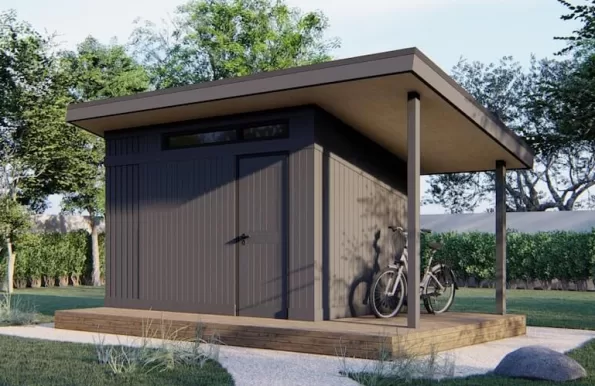
Why a Composting Toilet is a Game-Changer for the shed Worker

For many, the garden shed has evolved from a dusty storage space for old lawnmowers and rusty tools into a sanctuary of productivity. Whether you’re a professional writer hammering out your next novel, a skilled maker creating bespoke furniture, or an engineer running a small workshop, your shed is your fortress of focus. It’s a place where the muse lives and the ideas flow. But every fortress has a weakness, and for the modern shed worker, that weakness is often a simple, inconvenient truth: the journey to the main house for a bathroom break.
This mundane necessity is more than just a brief interruption; it’s a workflow killer. Picture the scene: you’re deep in the creative flow, the perfect sentence is forming, or the precise cut is about to be made, when nature calls. Suddenly, you have to down tools, put on shoes (or worse, track sawdust through the house), navigate the garden, and break the spell of concentration. That five-minute trip can easily turn into a twenty-minute distraction as you get waylaid by a partner, a child, the ringing phone, or the lure of a snack from the kitchen. By the time you return, the flow is gone, the moment is lost, and your productivity has taken a serious hit.
This is where the composting toilet, situated strategically close to your shed workspace, stops being a quirky, alternative solution and becomes an indispensable productivity tool. It offers immediate convenience, allowing you to maintain your focus and seamlessly transition back to work without ever leaving the garden zone.
The Green Revolution: Beyond Simple Convenience
The benefits of a composting toilet extend far beyond just saving you a brisk walk. They represent a significant step toward a more sustainable, self-sufficient lifestyle—a philosophy that perfectly aligns with the ‘making’ and ‘creating’ ethos of a dedicated shed worker.
The most immediate environmental benefit is the staggering amount of water saved. Traditional flush toilets use litres of potable water per flush, contributing to an enormous consumption rate, particularly in areas prone to water scarcity. Composting toilets are inherently waterless systems (or use a minimal amount of water for an attached sink), immediately removing your shed-based bathroom breaks from the municipal water consumption grid. This is not just a moral victory; in the long term, it can contribute to noticeable savings on water bills.
Furthermore, a well-designed composting toilet requires no connection to a sewer system or septic tank. For a garden shed, running new plumbing, digging trenches, and navigating the associated legal and logistical hurdles is often prohibitively expensive and complex. A composting toilet eliminates this entirely, making its installation a straightforward DIY or handyman task that involves no invasive groundwork. This freedom from conventional plumbing is a major practical advantage for any remote garden structure.
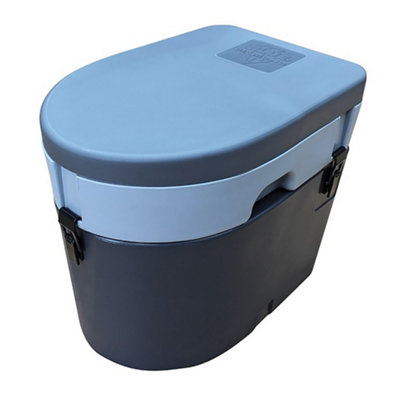
The Closed-Loop System: ‘Waste’ into Workshop Gold
The most fascinating aspect of these systems, and one that resonates deeply with the “maker” mindset, is the transformation of waste into a resource. Composting toilets operate on the principle of separating liquid and solid waste. This separation is key to preventing the unpleasant odours associated with conventional sewage, which are caused by the mixture of the two.
The solid matter, mixed with a carbon additive like sawdust, wood shavings, or coir, breaks down through an aerobic process (composting). Over time, and following correct safety protocols for sanitisation, this material becomes a nutrient-rich, pathogen-free soil amendment or fertiliser—the ultimate closed-loop system for a garden enthusiast or an allotment holder. The liquid waste (urine), which is sterile, can be diluted and used as a high-nitrogen fertiliser, perfect for the non-food plants surrounding your shed or for enriching your general compost heap.
For the writer, this self-sufficiency mirrors the creative process: taking raw material and transforming it into something valuable. For the maker, it’s a practical, hands-on application of engineering and nature. You are not simply discarding waste; you are actively creating something useful for your garden, completing the ecological cycle right outside your workspace door.
Dispelling the Myths: Odour and Maintenance
The primary concern people have about composting toilets is, inevitably, the odour. The truth is that a well-maintained, modern composting toilet—especially those with a urine-diversion system—produces less odour than a conventional portable toilet. The quick separation of solids and liquids prevents the anaerobic breakdown that causes strong smells. Good ventilation, often aided by a small electric fan (sometimes solar-powered), actively draws air out of the system, leaving the interior of the toilet unit fresh.
Maintenance involves the regular emptying of the separate liquid container and, less frequently, the removal of the solid waste tank once it is full. These tasks are designed to be simple and contained, removing the need for a call-out by a sewage pump service. For the dedicated shed worker, it’s just another piece of equipment to maintain, much like a workshop tool or a writing routine, but one that rewards you with both convenience and fertiliser.
By installing a composting toilet near your shed, you are not just adding a convenience; you are embedding a commitment to sustainable living into your working life. You regain lost work time, save water, cut down on bills, and produce a valuable resource for your garden. It’s a simple addition that delivers profound benefits, transforming your shed from a mere workspace into a truly self-contained, high-efficiency, eco-friendly hub of creativity and production.
Spotlight on the Dunster House Wooden Composting Eco Toilet
For those ready to make the sustainable leap, the Dunster House Wooden Composting Eco Toilet for Glamping Allotment Fertiliser Compost & Air Ventilation offers a robust and purpose-built solution. This unit is specifically designed to meet the demands of off-grid locations like allotments, campsites, and, most relevantly, garden sheds and workshops. It’s more than just a toilet; it’s a complete, waterless sanitation building constructed from high-quality, slow-grown Spruce timber, ensuring superior strength and longevity compared to cheaper alternatives.
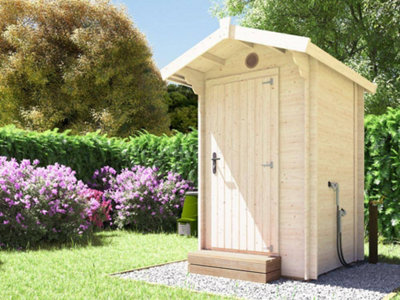
The cornerstone of the Dunster House design is its integrated Urine Diversion System. This critical feature immediately separates liquid and solid waste, which is paramount for both odour control and the composting process. By preventing the two from mixing, it eliminates the fermentation that creates unpleasant smells, ensuring that your shed environment remains a pleasant place to work and visit.
For user convenience and maintenance, the Eco Toilet is supplied with two large 75-litre waste bins for the solid matter. These removable tanks are easily accessed via a dedicated rear hatch, simplifying the process of emptying and managing the composting material. This system allows the solid waste to be stored safely until it has adequately decomposed into a reusable soil amendment, closing the ecological loop for the shed-worker who also loves to garden.

Addressing the need for a comfortable and fully-functional unit, the Dunster House model includes thoughtful features like a solar-powered system. The roof-mounted solar panel charges a 12V battery, which in turn powers an electric water pump for the included sink, allowing for essential handwashing, and even features a multi-charging point to keep your phone or small devices topped up while you work. This self-sustaining power system completely negates the need to run electricity to the building for basic amenities.
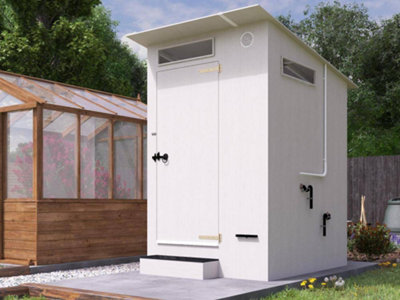
Finally, the unit’s commitment to a pleasant user experience is evident in its ventilation system. The toilet is equipped with a plastic vent pipe and air vents to direct airflow, actively helping to minimise odours and ensuring the structure is well-ventilated. Combining a robust, lockable timber structure with a fully self-contained, eco-conscious sanitation system, the Dunster House Composting Eco Toilet stands out as the ultimate accessory for the modern, productive, and green-minded shed worker.
Disclosure: This post may contain affiliate links. If you make a purchase via these links, shedblog.co.uk may earn a small commission at no extra cost to you.
Useful Links
- Your shed-related Company here: like an old-school Blogroll
- Allotment sheds
- Gym shed
- Watch Horror Movies in your shed
- Looking for a Solo Cruise
- Build your own shipping container home
- Powering the UK Garden Shed
- Become Self Sufficient on ¼ Acre
- ProstaVive – Powerhouse Prostate Offer
- Health & Fitness/Men’s Health
- Buy Barndominium Plans
- TedsWoodworking – Best Woodworking Site On The Internet
- How To Setup A Fully Equipped Small Woodworking Shop
- The Ultimate How-To Guide to Building a Tiny House
Support us via Paypal or Buy me a Coffee