Did BLUETTI Just Kill Lithium? Why the Pioneer Na Sodium Battery Changes Everything

For years, the world of portable power was dominated by a single, silvery-white element: lithium. We’ve seen its performance in everything from our smartphones to our electric vehicles, but its high cost, environmental footprint, and sensitivity to extreme cold have always presented a challenge. Now, a new contender has arrived from the most common of places—the periodic table’s Group 1, right next to lithium—and it promises to change the off-grid landscape forever.
Meet the BLUETTI Pioneer Na, the world’s first sodium-ion portable power station. It’s more than just a new battery; it’s a statement on sustainability and a game-changer for anyone looking to power their life away from the main grid, starting with the unlikeliest of places: your humble garden shed.
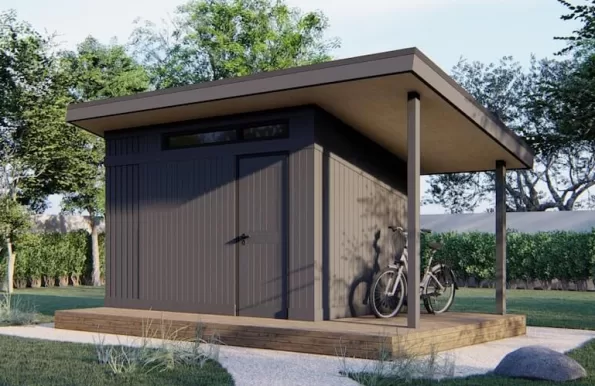
Powering Your Off-Grid Sanctuary: The Garden Shed Hero
For many, the garden shed is a retreat, a workshop, or a burgeoning off-grid office. Yet, powering it often means cumbersome extension cords or noisy, fume-spewing generators. The Pioneer Na offers a quiet, clean, and self-contained solution.
The BLUETTI Pioneer Na boasts a robust 900 Wh capacity and a substantial 1,500 W power output, with a temporary 2,250 W Power Lifting Mode for resistive loads. This combination makes it perfectly suited for a wide range of shed applications:
- Workshop Tools: The 1,500 W output is enough to run many corded power tools—think a miter saw for a quick project, a bench grinder, or a powerful drill—without tripping the system. The 2,250 W surge capability even handles the initial power spike of heavier motors.
- Lighting and Comfort: Say goodbye to squinting. The 900 Wh capacity can keep a modern array of high-efficiency LED lights running for days, turning your shed into a functional workspace well after sunset. Furthermore, it can power a small fan in the summer or a heating pad in the winter for added comfort.
- Off-Grid Office: Pair the Pioneer Na with a BLUETTI solar panel (it supports up to 1,900 W of solar input) and you have a completely self-sufficient remote office. Run a laptop, charge camera equipment, power a Wi-Fi booster, and even make a cup of coffee with a low-wattage kettle.
- Security: Use it to power motion-sensor security lights or a surveillance camera, ensuring your tools and equipment are protected even when the shed is far from your home’s electrical circuit.
Crucially, the Pioneer Na’s portability (weighing in at 16 kg) allows it to be easily moved from the workbench to a remote corner of your garden, or even brought indoors for charging.
The Cold, Hard Edge: Why Sodium Shines
An unheated garden shed can be a brutal environment in the colder months. This is where the sodium-ion technology truly separates itself from its lithium-ion (specifically LFP) predecessors.
Traditional Lithium Iron Phosphate (LFP) batteries struggle to charge when temperatures drop below freezing (0°C/32°F). The Pioneer Na, however, is designed for the extremes. It can safely charge at temperatures as low as -15°C and continue to discharge power down to -25°C. At this bone-chilling temperature, it still delivers 80% of its discharge capacity.
This cold-weather resilience is a game-changer for any outdoor or backup power application, eliminating the worry of your power station becoming a very expensive brick during a winter snap.

The Verdict: Did They Just KILL Lithium?
The release of the Pioneer Na naturally sparks the question that’s been brewing in the energy world: Is this the end of lithium? The short answer is: No, but it marks the beginning of a powerful complementary future.
Sodium-ion batteries are not an outright replacement for lithium-ion, but rather a superior alternative for specific applications like home and stationary energy storage. The key differences highlight their unique roles:
Feature Sodium-Ion (Na-ion) Lithium-Ion (Li-ion) Raw Material Abundant (Sodium), Cost-effective, Sustainable Scarce (Lithium), Expensive, Resource-intensive to mine Environmental Smaller carbon footprint Larger environmental impact due to mining Cold Performance Superior: Can charge/discharge in extreme cold Weak: Struggles to charge below freezing Energy Density Lower: Larger and heavier for the same energy capacity Higher: Lighter and smaller for the same capacity Safety Potentially higher: Lower risk of thermal runaway High energy density carries a higher safety risk
Lithium-ion batteries still hold the advantage in high-performance applications where weight and size are paramount, like long-range electric vehicles and portable consumer electronics. Sodium-ion, with its lower energy density, is currently 20-25% heavier for comparable LFP capacity.
However, the Pioneer Na’s debut shows that for stationary and portable power where weight is a secondary concern, sodium is the future for cost-effectiveness and sustainability. The materials are more abundant and cheaper, and the technology offers a robust, safe, and cold-proof alternative.
BLUETTI’s move confirms that sodium-ion technology has matured into a viable commercial product. It isn’t a “lithium killer” but a long-awaited and vital component in the global clean energy transition, offering a sustainable, high-performing solution perfectly tailored for the off-grid shed, the remote cabin, and the world’s coldest climates. The age of sodium has begun.
Disclosure: This post may contain affiliate links. If you make a purchase via these links, shedblog.co.uk may earn a small commission at no extra cost to you.
Useful Links
- Your shed-related Company here: like an old-school Blogroll
- Allotment sheds
- Gym shed
- Watch Horror Movies in your shed
- Looking for a Solo Cruise
- Build your own shipping container home
- Powering the UK Garden Shed
- Become Self Sufficient on ¼ Acre
- ProstaVive – Powerhouse Prostate Offer
- Health & Fitness/Men’s Health
- Buy Barndominium Plans
- TedsWoodworking – Best Woodworking Site On The Internet
- How To Setup A Fully Equipped Small Woodworking Shop
- The Ultimate How-To Guide to Building a Tiny House
Support us via Paypal or Buy me a Coffee