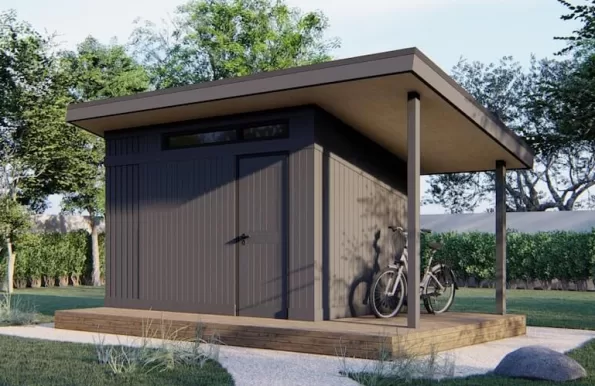
Is a Narrow boat a Floating Shed? Or the start of a DIY Transformation Story?

From Canal Ropes to Garden Sheds: Is a Narrowboat Just a Floating Shed?
The gentle put-put-put of the diesel engine, the shimmering reflection of old red-brick warehouses in the murky water, and the sheer, surprising physicality of heaving a lock gate open. My recent maiden voyage on the Birmingham Canal was a baptism by water, wind, sunshine and wonderfully hard work. The journey we took, weaving from the Dudley Canal through the historic, mile-long darkness of the Netherton Tunnel and out onto the bustling Birmingham Main Line, was a lesson in contrasts. One moment, we were in an eerie, dripping underworld, the boat’s headlamp piercing the gloom and our voices echoing off the cold brickwork. The next, we were thrust back into the bright, open air, navigating the industrial spine of the city, a constant, slow-motion parade of bridges and junctions.
As a first-time narrow boater, I discovered a unique blend of serene calm and intense physical effort, a rhythm dictated by the geography of the water and the relentless, patient climb of the locks.
But as I sat on the tiny stern, a mug of tea in hand, watching the world drift by at four miles per hour, my mind began to drift too. I found myself staring at our 70-foot-long home, with its compact cabin, its potbelly stove, and its ingenious use of every nook and cranny. And a bizarre, yet persistent, thought planted itself in my head: is a narrowboat just a glorified, floating garden shed?
Think about it. Both are havens of quiet escape, tucked away from the main hustle of life. Both are compact spaces that demand clever storage and a touch of DIY ingenuity. Both are sanctuaries for tinkering, for hobbies, and for simply being. A shed is a land-locked retreat; a narrowboat is its nomadic, water-borne cousin.
There’s a certain romanticism to the Victorian narrowboat, with its ornate lettering, gleaming brass, and vibrant rose-and-castle paintwork. These boats weren’t just homes; they were statements of identity and pride for the families who lived and worked on the canals. So, inspired by my trip and this peculiar mental connection, I wondered: could you capture that magical, mobile-cottage aesthetic in a static, suburban garden shed?
Could you turn your 8×6 foot timber shed into a Victorian narrowboat? I believe you can. Here’s how.
20 Ideas for Turning Your Garden Shed into a Victorian Narrowboat
The Exterior Illusion:
- The False Hull: Create a curved “hull” by fixing shaped marine plywood or flexible timber battens to the bottom third of the shed’s walls. Paint it in traditional black or dark green bitumen paint, complete with a white or red “waterline” stripe.
- The Porthole Portal: Replace a standard square window with a circular, brass-framed porthole (real or cleverly crafted from a round window and a painted ring). For a cheaper option, paint a porthole frame directly onto the existing window.
- The Josher Bow: The distinctive, slightly pointed front of a narrowboat, or “josher bow,” can be suggested by building a small, triangular porch or a pointed facade on the shed’s front.
- The Mock Cratch: The cratch is the covered area at the front of the boat. Build a small, triangular wooden frame over your “bow” and cover it with a piece of canvas or clear tarpaulin.
- Ropes & Fenders: Hang old, thick ropes along the side and fix traditional cylindrical rope fenders to the “hull” to protect your flower beds as if they were canal bank walls.
- Victorian Livery: Paint the main cabin in the classic “Roses & Castles” narrowboat art. Deep burgundy, navy blue, or Brunswick green are perfect base colours. Then, either learn the folk art yourself or commission a local artist to adorn the panels with these iconic designs.
- The Chimney Pot: No Victorian boat is complete without a stove chimney. Install a simple, tall, black-painted stovepipe on the roof, even if it’s just for show.
Have this throwback shed/narrow boat combo #SundaySheds Piano Raft – Unexpected/Unique – West Yorkshire #shedoftheyear owned by Sheddie Ben Cummins www.readersheds.co.uk/share.cfm?sh…
[image or embed]— Andrew Wilcox (@readersheds.co.uk) 28 September 2025 at 10:30
The Interior Atmosphere:
- Tongue and Groove Panelling: Line the interior walls with varnished tongue and groove wood, just like a real narrowboat cabin. This instantly creates that warm, woody, and enclosed feel.
- The Tiny Stove: If it’s safe and practical, install a small, cast-iron wood-burning stove. If not, a faux stove made from an old tea caddy or even just a painted box can provide the visual anchor.
- Brass & Copper Accents: Fit brass cabin lights (battery-powered or solar), use copper pots as planters, and hang a traditional brass ship’s whistle by the door.
- Built-In Settee Berth: Build a bench along one wall with a hinged lid, providing both seating and hidden storage for your gardening tools—a direct replica of a boat’s seating/bed storage.
- Gingham & Patchwork: Dress a small window with a frilled, red-and-white gingham curtain. Add patchwork cushions and a heavy, woollen blanket to emulate the cosy, homemade interior.
- The Cabin Door Detail: Fit a stable-style door (or just paint a dividing line to look like one) and add a rustic, wrought-iron latch.
This one is a shed add-on to a narrow boat Jebus – Workshop/Studio – Essex #shedoftheyear owned by Sheddie Denise Walker www.readersheds.co.uk/share.cfm?sh… #SundaySheds
[image or embed]— Andrew Wilcox (@readersheds.co.uk) 28 September 2025 at 10:36
The Final Touches of Authenticity:
- The Ship’s Wheel: Mount an old, varnished ship’s wheel on one wall, connected to nothing but your imagination.
- Nautical Bric-a-Brac: Decorate with canal artefacts: an old windlass (the lock key), a canal map framed on the wall, or a painted water can.
- Create a “Gunwale” Shelf: Inside, run a narrow shelf along the wall just below the window line, mimicking the internal gunwale of a boat—perfect for displaying tiny treasures.
- Flag and Bunting: Fly a colourful flag from your “chimney” and string traditional bunting along the roof line for a festive, boat-life feel.
- The “Engine Room” Illusion: Dedicate one corner, perhaps where you store your lawnmower, as the “engine room.” Paint a fake, bright red, vintage “Lister” engine on a piece of board and prop it up.
- Soundscaping: Hide a small Bluetooth speaker and play a gentle loop of lapping water, distant bird calls, and the soft thrum of a diesel engine to complete the sensory immersion.
- Name Your “Vessel”: No boat is complete without a name. Paint a beautiful, scroll-worked name on a board and fix it to the side. The Willow Wanderer, The Land-Lubber’s Rest, or The Potting Shed Princess—the choice is yours.
Your garden shed will, of course, remain firmly on its foundations. But with a little creativity, you can step through its door and be instantly transported. You’ll be the captain of your own patch, the master of a static but soulful vessel, forever moored in the quiet backwater of your own garden. It’s the perfect way to capture the slow, simple, and deeply satisfying spirit of the canals, without ever having to heave another lock gate again.
Disclosure: This post may contain affiliate links. If you make a purchase via these links, shedblog.co.uk may earn a small commission at no extra cost to you.
Useful Links
- Your shed-related Company here: like an old-school Blogroll
- Allotment sheds
- Gym shed
- Watch Horror Movies in your shed
- Looking for a Solo Cruise
- Build your own shipping container home
- Powering the UK Garden Shed
- Become Self Sufficient on ¼ Acre
- ProstaVive – Powerhouse Prostate Offer
- Health & Fitness/Men’s Health
- Buy Barndominium Plans
- TedsWoodworking – Best Woodworking Site On The Internet
- How To Setup A Fully Equipped Small Woodworking Shop
- The Ultimate How-To Guide to Building a Tiny House
Support us via Paypal or Buy me a Coffee