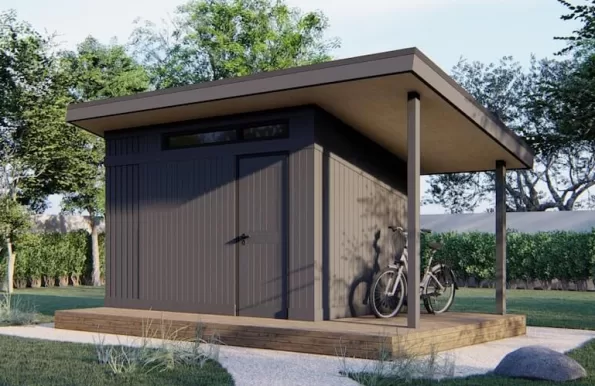
Heavy Snow & Your Shed: Essential Tips to Preserve Its Structural Integrity

Shed Snowdown
Introduction
The sight of fresh snowfall, blanketing the world in a pristine layer of white, often evokes feelings of peace and tranquility. However, for shed owners, that picturesque scene can quickly turn into a cause for concern, especially when the snow keeps piling up. A heavy accumulation of snow on your shed roof isn’t just an aesthetic issue; it’s a potential threat to the structural integrity of your building. Ignoring it could lead to costly damage, from warped framing to a complete roof collapse. This post will guide you through what to do when your shed roof is laden with snow, focusing on recognizing the risks and taking proactive steps to keep your shed safe and sound.
Understanding the Threat: Why Snow on Your Shed Roof Matters
It’s easy to underestimate the weight of snow, especially if it looks fluffy and light. However, that light snow quickly transforms into a dense, heavy load as it packs down, especially after it starts to melt and refreeze. The weight of this accumulated snow can exceed the design capacity of your shed roof, putting immense stress on the framework and potentially leading to failure.
Here’s a breakdown of why heavy snow load is a serious issue:
- Weight: Snow can weigh a lot more than you think. Fresh, powdery snow might weigh just a few pounds per cubic foot, while wet, packed snow can weigh closer to 20 pounds or more per cubic foot. A few feet of wet snow on a shed roof can add hundreds, even thousands, of pounds of additional weight.
- Uneven Loading: Snow doesn’t always distribute evenly. Wind can cause snow to accumulate more heavily on one side of the roof, creating an imbalance of stress that can weaken supporting structures. This uneven load can be particularly damaging to sheds.
- Ice Dam Formation: Melting snow, when refreezing, can form ice dams along the eaves of your roof. These dams can prevent water from properly draining away, leading to water damage inside the shed and also adding weight and stress to the roof structure. This trapped water can also expand as it freezes, causing further damage.
- Material Fatigue: Repeated loading and unloading of snow over several winters can weaken the shed’s materials, causing wood to warp and nails to loosen. Even a well-built shed will eventually succumb to consistent pressure if its capacity is repeatedly exceeded.
- Hidden Damage: The effects of a snow load can sometimes be internal, with rafters bending or walls bowing, before any external damage is noticeable. Early intervention is key to preventing major issues.
Assessing the Risk: Is Your Shed in Trouble?
Before grabbing a shovel, take a moment to assess the situation. Here are signs that your shed might be at risk from excessive snow load:
- Visible Sagging: Look for any obvious signs of the roof sagging in the middle or at the edges. This is a clear indicator of excessive stress. Check both from the outside and the inside if possible.
- Bowing Walls: If the walls of your shed appear to be bowing outwards, it means the roof is pushing down and outwards, which can lead to structural damage. This is a serious sign that needs prompt action.
- Creaking or Groaning: Listen for any unusual noises emanating from your shed, such as creaking, groaning, or popping. These sounds suggest that the structural components are under significant stress.
- Door and Window Problems: If you find doors and windows becoming difficult to open or close, it could indicate that the shed frame is shifting under the weight. Check to ensure nothing is blocking them to be sure.
- Ice Buildup: Large icicles and ice dams at the eaves of the roof signal drainage problems and increased load.
- Snow Depth: Pay attention to the depth of the snow on the roof. A significant amount, especially if it is wet or has been there for a while, can indicate an issue.
Proactive Steps: How to Protect Your Shed
If you’ve identified any of the risk factors, it’s time to take action. Here’s a step-by-step guide to protecting your shed from snow damage:
- Safety First: Before you attempt to remove snow, ensure your own safety.
- Wear appropriate gear: Dress in warm layers, wear waterproof boots with good traction, and use gloves to protect your hands from the cold.
- Work with a Buddy: It’s always safer to have someone assist you. A partner can hold a ladder or get help if you were to slip.
- Be Aware of Overhead Hazards: Look for any potential risks such as power lines, branches, or falling ice.
- Don’t take unnecessary risks: If the weather conditions are dangerous or if you are not comfortable working at height, contact professionals.
- Snow Removal Strategies: Choose the approach that’s best suited to your situation.
- Roof Rake: A roof rake is a long-handled tool designed to pull snow off your roof while you stand on the ground. This is the safest option for most homeowners. It allows you to clear the roof without having to climb onto it.
- Shoveling: If you choose to shovel, use a plastic shovel to avoid damaging the roofing material. Be careful when reaching higher points, work slowly and take frequent breaks. Avoid standing directly under the edges while working for your own safety.
- Ladder Safety: If using a ladder, make sure it’s on a stable and level surface. Ensure the ladder is angled correctly and is firmly planted. Have your helper steady the ladder at all times.
- Don’t Overdo it: Don’t attempt to clear the entire roof all at once, especially if you don’t feel comfortable. Remove a manageable amount of snow at a time.
- Target Critical Areas: Focus on removing snow from the areas most prone to ice dam formation, particularly around the edges of the roof.
- Be Gentle: Avoid using excessive force that could damage the roof material or structure.
- Clearing Gutters and Downspouts: If your shed has gutters, make sure they’re clear of snow and ice. Clogged gutters can lead to water back-up and ice dams, which exacerbate the problem. Ensure the water has a clear path to drain.
- Internal Reinforcement (If Possible): If you can safely access the interior of your shed, check for any signs of bowing or damage to the rafters. If possible, adding temporary support to the rafters can help relieve the load on the roof.
- Preventative Measures: Once the snow has been removed, consider these steps for future protection:
- Roof Design: If building a new shed, choose a roof design that minimizes snow accumulation. A steeper pitch will often shed snow more readily than a flatter roof.
- Structural Reinforcement: Consider adding internal bracing to the roof to increase its load-bearing capacity.
- Material Upgrades: Use high-quality roofing materials that can withstand the weight of snow and ice.
- Regular Inspections: Check your shed regularly during the winter months, especially after heavy snowfall. Catching problems early makes repairs easier and safer.
- When to Call a Professional:
- If you’re unsure: If you’re not confident in your ability to remove snow safely or if your shed shows significant signs of stress, don’t hesitate to seek help from a qualified professional.
- Structural Concerns: If you suspect the structural integrity of your shed is compromised, contact a structural engineer or contractor for an inspection.
- Extensive Damage: If there is major roof sagging, warped framing, or water damage, it may be best to call in professionals to help repair and assess the damage.
Long-Term Shed Care: Beyond the Snowfall
Protecting your shed from snow load is a critical part of its overall maintenance. Regular inspections of the structure, a clean gutter system, and proactive snow removal are essential for the long life of the structure. Don’t hesitate to address minor problems before they become major ones. When in doubt always reach out to professionals that can give specific advice for your shed.
Conclusion:
A winter storm can quickly transform your shed from a useful storage space to a potential problem. By understanding the risks associated with snow load, learning to recognize the warning signs, and taking proactive steps, you can safeguard your shed from structural damage and costly repairs. Remember that your personal safety is always the priority, so don’t hesitate to call in professionals if you’re in doubt. A little preventative care during the snowy months will keep your shed in good shape for years to come.
Disclosure: This post may contain affiliate links. If you make a purchase via these links, shedblog.co.uk may earn a small commission at no extra cost to you.
Useful Links
- Your shed-related Company here: like an old-school Blogroll
- Allotment sheds
- Gym shed
- Watch Horror Movies in your shed
- Looking for a Solo Cruise
- Build your own shipping container home
- Powering the UK Garden Shed
- Become Self Sufficient on ¼ Acre
- ProstaVive – Powerhouse Prostate Offer
- Health & Fitness/Men’s Health
- Buy Barndominium Plans
- TedsWoodworking – Best Woodworking Site On The Internet
- How To Setup A Fully Equipped Small Woodworking Shop
- The Ultimate How-To Guide to Building a Tiny House
Support us via Paypal or Buy me a Coffee