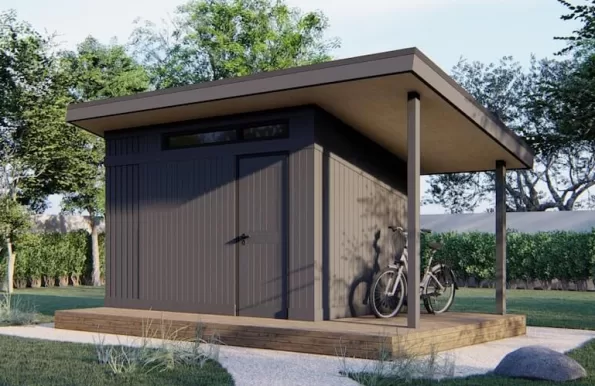
Cosy Shed, Warm Winter: Choosing the Right Wood for Your Shed Burner

The crisp air, the scent of woodsmoke, a warm glow emanating from your shed – a wood-burning stove can transform your garden retreat into a year-round haven. But before you light that first fire, it’s crucial to choose the right type of wood to ensure efficient burning, maximum heat output, and minimal environmental impact. This guide will walk you through the best wood choices for your shed burner and highlight vital safety precautions for a worry-free experience.
Hardwoods vs. Softwoods: A Burning Question
The fundamental distinction lies between hardwoods and softwoods. Hardwoods, derived from deciduous trees like oak, ash, and beech, are denser and contain less resin than their softwood counterparts. This density translates to a longer, hotter burn, producing more heat and less smoke. Softwoods, such as pine, spruce, and fir, are from coniferous trees and ignite quickly, making them ideal for kindling. However, they burn faster and produce more creosote, a sticky substance that can build up in your chimney and increase the risk of chimney fires.
The Best Hardwoods for Your Shed wood Burner:
- Ash: Excellent all-around choice. Burns hot and clean with a pleasant aroma. Seasoned ash is readily available and relatively affordable.
- Beech: Another top performer, offering a long, slow burn with high heat output. Similar to ash in terms of availability and price.
- Oak: The king of firewood. Dense and long-burning, oak provides intense heat. Requires a longer seasoning time but well worth the wait.
- Hawthorn and Blackthorn: Dense woods that produce a significant amount of heat, though they can be more difficult to source.
- Apple and other fruitwoods: Burn well and offer a delightful fragrance, though they might not burn as long as other hardwoods.
Woods to Avoid:
- Green or Unseasoned Wood: Burning green wood is inefficient and produces excessive smoke and creosote. It also reduces heat output and can damage your stove. Aim for wood with a moisture content below 20%.
- Softwoods for sustained burning: While useful for kindling, avoid using softwoods as your primary fuel source. The high resin content leads to rapid burning, creosote buildup, and potential chimney fires.
- Treated Wood: Pressure-treated timber, plywood, chipboard, and MDF contain chemicals that release toxic fumes when burned. These are extremely hazardous and should never be used in a wood burner.
- Wet or Rotting Wood: These produce little heat and excessive smoke, contributing to creosote buildup and air pollution.
Sourcing Your Wood:
- Local Suppliers: Reputable firewood suppliers are your best bet for seasoned, ready-to-burn hardwood. They can advise on the best wood for your needs and ensure the quality and dryness of the wood.
- DIY Seasoning: If you have access to felled trees, you can season the wood yourself. This involves splitting the logs and stacking them in a well-ventilated area for at least a year, ideally two, to allow the moisture content to reduce.
Maximizing Efficiency and Reducing Emissions:
- Proper Seasoning: Dry wood burns more efficiently and produces less smoke and creosote.
- Efficient Stove: Invest in a Defra-approved stove designed for burning wood in smoke control areas. These stoves are designed to minimise smoke emissions.
- Correct Airflow: Manage the air vents on your stove to ensure complete combustion, maximizing heat output and minimizing smoke.
- Regular Chimney Sweeping: A clean chimney is crucial for preventing chimney fires and ensuring efficient burning. Have your chimney swept at least once a year, preferably twice, by a qualified chimney sweep.
Safety Precautions for Using a Wood Burner in Your Shed:
- Carbon Monoxide Detector: Install a carbon monoxide detector in your shed and test it regularly. Carbon monoxide is a colourless, odourless gas that can be fatal.
- Fire Extinguisher: Keep a suitable fire extinguisher (Class A for wood and paper fires) readily accessible in your shed.
- Clearance Around the Stove: Ensure adequate clearance between the stove and any combustible materials, including walls, furniture, and stored items. Follow the manufacturer’s instructions for minimum clearances.
- Floor Protection: Place a non-combustible hearth pad beneath the stove to protect the floor from embers and heat.
- Proper Ventilation: Ensure adequate ventilation in your shed to provide a constant supply of fresh air and prevent the buildup of smoke and carbon monoxide.
- Store Fuel Safely: Store firewood away from the stove and any heat sources. Ensure the storage area is dry and well-ventilated.
- Never Leave a Burning Stove Unattended: Always supervise a burning stove, especially when children or pets are present.
- Ash Disposal: Allow ashes to cool completely before disposing of them in a metal container with a lid.
By following these guidelines and taking the necessary safety precautions, you can enjoy the warmth and ambience of a wood-burning stove in your shed throughout the colder months. Remember, a little preparation and awareness go a long way in ensuring a safe and enjoyable experience.
Disclosure: This post may contain affiliate links. If you make a purchase via these links, shedblog.co.uk may earn a small commission at no extra cost to you.
Useful Links
- Your shed-related Company here: like an old-school Blogroll
- Allotment sheds
- Gym shed
- Watch Horror Movies in your shed
- Looking for a Solo Cruise
- Build your own shipping container home
- Powering the UK Garden Shed
- Become Self Sufficient on ¼ Acre
- ProstaVive – Powerhouse Prostate Offer
- Health & Fitness/Men’s Health
- Buy Barndominium Plans
- TedsWoodworking – Best Woodworking Site On The Internet
- How To Setup A Fully Equipped Small Woodworking Shop
- The Ultimate How-To Guide to Building a Tiny House
Support us via Paypal or Buy me a Coffee