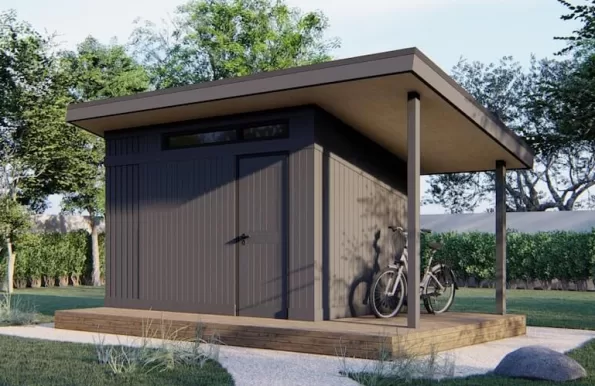
The Art of the Perfect Brew: From Shed Sanctuary to Wilderness Camp

There is a particular magic to a cup of tea that transcends the mere consumption of caffeine. Whether you are retreating to the sanctuary of your garden shed to escape the clatter of the house, or you are waking up on a crisp morning in the middle of a remote campsite, the ritual of the brew is fundamental. It is a moment of stillness, a reward for effort, and a vital comfort against the damp British weather.
However, making a great cup of tea away from the convenience of a modern kitchen is not as simple as sticking the kettle on. When you strip away the luxury of a plugged-in appliance, you enter the realm of craft. To elevate your tea from a lukewarm afterthought to a genuine highlight of your day, you need the right mindset, the right method, and the right equipment.
The Philosophy of the Shed and the Wild
In the shed, tea is about mindfulness. It is the reward for an afternoon spent pottering, fixing a creaky hinge, or simply staring at the rain against the windowpane. It is a break from the digital noise of the outside world.
In the wild, tea is about resilience and comfort. It is the internal heater that keeps the chill from your bones after a long trek. In both environments, the goal is the same: to create a ritual that forces you to slow down and appreciate the present moment.
The Fundamentals of a Proper Brew
Before we look at the kit, let’s address the basics. A good cup of tea depends on three things: the water, the leaf, and the temperature.
- Water Matters: If you are camping, you might be tempted to use water from a stream. Unless you have a top-tier filtration system, don’t. Stick to treated or bottled water. In the shed, the water from the kitchen tap is fine, but if you live in a hard-water area, consider a small filter jug.
- The Leaf vs. The Bag: We are a nation of tea lovers, but convenience has made us lazy. If you have the time to go to the shed or go camping, you have the time for loose-leaf tea. It offers a depth of flavour and complexity that bags simply cannot match. Invest in a small stainless-steel infuser or a teapot with a built-in strainer.
- Temperature Control: This is the most common mistake. Many people pour boiling water directly onto the tea. If you are drinking a delicate green tea, boiling water will scorch the leaves and turn it bitter. Even for a robust builder’s brew, letting the water sit for thirty seconds after it hits the boil will result in a much smoother, less astringent cup.
The Gear: Precision in the Wild

When space is at a premium, you need equipment that is compact, efficient, and well-designed. This is where the Fire-Maple Petrel Pour-Over Kettle comes into its own.
While many camping kettles are utilitarian chunks of aluminium, the Petrel is a different beast entirely. With its 350ml capacity, it is perfectly sized for a single person—no wasted fuel boiling water you won’t use.
What truly sets it apart, however, is the precision spout. If you have ever tried to pour hot water from a standard wide-mouthed camping pot, you know the frustration of splashing boiling water everywhere except into your cup. The Petrel’s gooseneck design gives you complete control over the flow. This is not just for pour-over coffee fans; it is a game-changer for tea drinkers who want to gently bloom their tea leaves without making a mess on the shed workbench or the tent groundsheet.
It is lightweight, durable, and feels like a piece of kit designed for someone who actually cares about the drink they are preparing.

The Ritual
- Prepare your station: Whether it’s a fold-out table in the shed or a flat rock near the fire, get your workspace organised. Have your tea, your cup, and your kettle ready.
- Boil with intent: Use your stove to bring the water to a boil. Don’t just stand there staring at the flame; take a moment to listen to the environment. The sound of a kettle heating up is one of the most soothing noises in existence.
- The Pour: Use the Petrel to gently pour the water over your leaves. Watch the leaves unfurl. If you are using loose leaf, this is the time to appreciate the aroma as it rises with the steam.
- The Steep: Be patient. A builder’s brew needs a solid three to four minutes. Use this time to read a book, look at the map for tomorrow’s hike, or just listen to the wind in the trees.
- The Enjoyment: Sip, don’t gulp. Let the warmth travel through your hands into your chest.
Final Thoughts
A great cup of tea is never just about the liquid in the mug. It is about the preparation and the intention you bring to the process. By upgrading your kit to something that offers precision, like the Fire-Maple Petrel, and committing to the ritual of loose-leaf tea, you transform a mundane necessity into a profound daily ceremony.
Whether you are hiding away from the world in your shed or embracing it in the wild, ensure your next cup is worth the effort. Slow down, enjoy the process, and take the time to brew properly. After all, life is too short for a bad cup of tea.

Disclosure: This post may contain affiliate links. If you make a purchase via these links, shedblog.co.uk may earn a small commission at no extra cost to you.
Useful Links
- Your shed-related Company here: like an old-school Blogroll
- Allotment sheds
- Gym shed
- Watch Horror Movies in your shed
- Looking for a Solo Cruise
- Build your own shipping container home
- Powering the UK Garden Shed
- Become Self Sufficient on ¼ Acre
- ProstaVive – Powerhouse Prostate Offer
- Health & Fitness/Men’s Health
- Buy Barndominium Plans
- TedsWoodworking – Best Woodworking Site On The Internet
- How To Setup A Fully Equipped Small Woodworking Shop
- The Ultimate How-To Guide to Building a Tiny House
Support us via Paypal or Buy me a Coffee