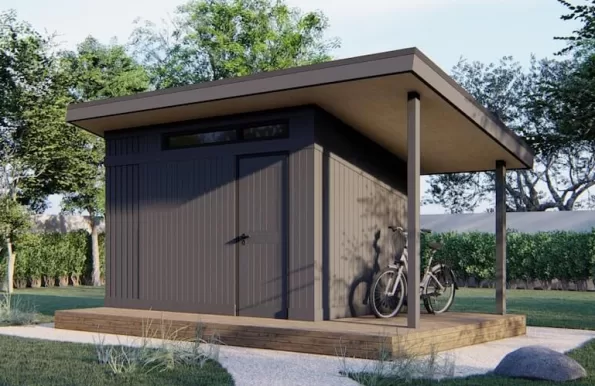
She Sheds: The Quiet Revolution at the Bottom of the Garden

If our search logs are anything to go by, the she shed is having another moment. “She sheds” has been the most searched term on readersheds.co.uk this week by a country mile, racking up more searches than eco sheds and pub sheds combined, and honestly, we are not surprised. Twenty years of Shed of the Year has taught us one thing above all: the idea that sheds are a bloke’s domain was always nonsense.
The lady sheddies have been part of this community since the very beginning, long before the phrase “she shed” was ever coined by a marketing department or some magazine trying to sell a lifestyle. Some of the most inventive, most loved and most downright gorgeous sheds ever entered into the competition have been she sheds. So let’s give the search traffic what it wants and take a proper look at where the she shed came from, what makes a great one, and how to build your own.
What actually is a she shed?
Forget the glossy magazine version with the bunting and the gin trolley (although we have nothing against either, and frankly a gin trolley improves most garden buildings). In the real world of the sheddie community, a she shed is simply a garden building claimed by its owner as her own space. The term went mainstream around 2015 when the American press picked it up as the answer to the man cave, but the thing itself has existed for as long as women have wanted a bit of peace and a padlock.
In practice, the she sheds entered into Shed of the Year over the years have included:
- Craft rooms and sewing studios, easily the most common type
- Pottery sheds and painting studios with proper north-facing light
- Writing retreats, some with nothing in them but a desk, a chair and a flask
- Reading rooms with an armchair and a strict no-entry policy
- Potting sheds that quietly evolved into somewhere far too comfortable to leave
- Bars, snugs, yoga studios, recording spaces and at least one taxidermy workshop
The defining feature is not the colour scheme, and it is certainly not pink paint. It is the door that shuts. Anyone who has raised kids, worked from a kitchen table or shared a house with a telly addict knows exactly why that matters. The man cave got all the press for years, but the she shed is the same idea executed with usually far better soft furnishings and considerably less neon signage.
There is also a serious point under the whimsy. A garden building is the cheapest extra room most households will ever add. When that room becomes a dedicated space for a hobby, a small business or simply an hour of quiet, it earns its footprint many times over. Plenty of lady sheddies in our archive run genuine businesses from their sheds, from dressmaking and upholstery to candle making and online craft shops. The she shed is often a workplace wearing a nice cardigan.
Two decades of brilliant she sheds
Browse the she shed entries on readersheds.co.uk and you will find everything from reclaimed-material builds done on a shoestring to full-blown garden studios with insulation, mains power and underfloor heating. The competition has never had a formal she shed category as such, but the lady sheddies have entered, and won, across every category going, from Workshop and Studio to Budget and Unique. A few patterns stand out from twenty years of entries.
The craft studio is queen. Sewing rooms, quilting spaces, weaving sheds and pottery studios dominate. There is something about making things that demands a dedicated space, because half-finished projects cannot live on a dining table forever, and a shed delivers that space without an extension, a loft conversion or a house move. The best craft sheds in the archive are masterclasses in storage: pegboards, thread racks, fabric stashes organised with military precision.
Reclaimed and thrifty builds punch above their weight. Some of the most charming she sheds we have ever featured were built from pallets, scaffold boards, old windows and Freecycle finds, often for less than the cost of a flat-pack shed from a garden centre. The judges have always had a soft spot for a resourceful build, and the lady sheddies have consistently delivered. If your budget is tiny, take heart: character beats chequebook in this competition every single year.
They photograph beautifully. It has to be said. A well-dressed she shed interior, with the light coming through the window onto a work in progress, is exactly the kind of thing that stops the judges scrolling. If you are entering Shed of the Year 2026, that matters more than you might think, and it is also why she sheds do so well on Instagram and Pinterest compared with, say, a shed full of lawnmower parts.
They are sociable spaces more often than you would expect. The stereotype is a solitary retreat, but plenty of she sheds in the archive host book clubs, craft groups, gin evenings and grandchildren. The shed as a venue is a thoroughly underrated genre.
Thinking of building one?
A few honest pointers from someone who has looked at thousands of these over twenty years, and made most of the mistakes personally:
- Insulate it. A she shed you can only use four months of the year is just a storage shed with cushions. Fifty millimetres of PIR board in the walls and roof, a decent floor, and a small electric panel heater or wood burner turn it into a genuine year-round room. Do the roof first; that is where most of your heat goes.
- Get power in properly. A qualified electrician running armoured cable from the consumer unit costs less than people assume, usually a few hundred pounds for a typical garden run, and it transforms what the space can do. Fairy lights off a solar panel are lovely; a kettle, a sewing machine and a heater are lovelier. Do not be tempted by a daisy chain of extension leads through the cat flap.
- Damp is the enemy of fabric. Soft furnishings, books, yarn, paper and craft materials all suffer in an unheated shed over a British winter. Ventilation, a moisture trap or a small dehumidifier will save your stash. If you have a rubber or felt roof, watch for condensation on the underside in cold snaps; ask us how we know.
- Security matters. Sewing machines, overlockers and craft equipment are worth serious money, and thieves know it. Fit a proper hasp and closed-shackle padlock, consider a battery alarm, keep valuables out of window sightlines, and check your home insurance actually covers outbuildings and their contents, because many policies cap it surprisingly low.
- Make it yours. The best she sheds in the archive have personality dripping from every shelf. Paint it a colour the house would never allow. Hang the pictures nobody else liked. That individuality is what wins hearts in this community, and occasionally trophies too.
Enter your shed in Shed of the Year 2026 here and browse the full archive of sheds for inspiration before you do.
And if you are a lady sheddie with a story to tell, get in touch, as we would love to feature your shed on the blog.
Disclosure: This post may contain affiliate links. If you make a purchase via these links, shedblog.co.uk may earn a small commission at no extra cost to you.
Useful Links
- Your shed-related Company here: like an old-school Blogroll
- Allotment sheds
- Gym shed
- Watch Horror Movies in your shed
- Looking for a Solo Cruise
- Build your own shipping container home
- Powering the UK Garden Shed
- Become Self Sufficient on ¼ Acre
- ProstaVive – Powerhouse Prostate Offer
- Health & Fitness/Men’s Health
- Buy Barndominium Plans
- TedsWoodworking – Best Woodworking Site On The Internet
- How To Setup A Fully Equipped Small Woodworking Shop
- The Ultimate How-To Guide to Building a Tiny House
Support us via Paypal or Buy me a Coffee