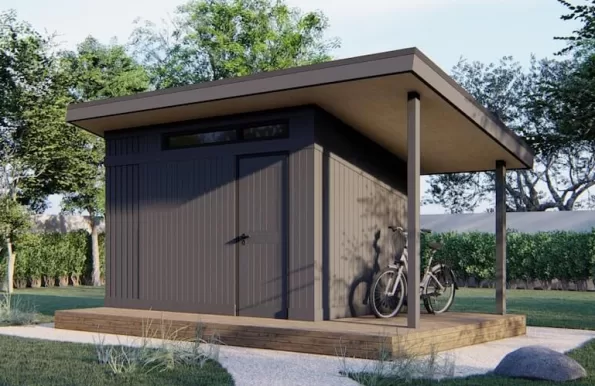
The £75,000 “Cheap” Shed by the Sea: Coastal Madness or Coastal Magic?

We usually spend our time talking about potting sheds, workshops, and the perfect man-cave setup, but every now and then, a “shed” hits the mainstream news that makes us all look at our timber structures with a bit more financial respect.
Recently, a humble timber hut at Shoebury East Beach hit the market for £75,000.
Shoebury East Beach is on the Essex coast in southeast England, right at the eastern end of Southend-on-Sea in a small seaside area called Shoeburyness.
To the average person, paying seventy-five grand for a 10-square-metre box with no toilet, no electricity, and a strict “no sleeping over” rule sounds like a cry for help. But in the weird and wonderful world of British beach huts, this listing was actually being touted as a “rare, affordable opportunity”.

Is a £75k shed actually a bargain? Let’s dive into the history, the prices, and why these coastal cabins are currently outperforming the London stock market.
A Brief History: From Bathing Machines to Social Hubs
The beach hut is essentially a stationary evolution of the Georgian “bathing machine”. Back in the 1700s, doctors started prescribing “the cold sea bath” for everything from gout to “the vapours”. To keep things modest, wealthy bathers would enter a wooden hut on wheels, be horse-drawn into the surf, and emerge directly into the water.
By the Edwardian era, as social attitudes relaxed and mixed bathing became the norm, these wheels were taken off. The huts were parked permanently on the sand, and the “beach bungalow” was born. They shifted from being medical changing rooms to social sanctuaries—a place to boil a whistling kettle, hide from a South Coast gale, and store your windbreak.
The Shoebury “Bargain” vs. The UK Landscape
To understand why £75,000 is considered “cheap” in Essex, you have to look at the neighbours. Just down the road in Thorpe Bay, huts on the Eastern Esplanade can easily fetch £120,000. Head further north to West Mersea, and you’re looking at £60,000 to £80,000 for the privilege of a brightly painted door.
But how does that compare to the rest of the UK? The disparity is staggering.
England: The South Coast Squeeze
If you think £75k is steep, don’t look at Dorset. At the Mudeford Sandbank, beach huts have sold for upwards of £450,000. Why? Because they are the “Unicorns” of the shed world—they actually have permission for overnight stays. People are effectively paying half a million pounds for a luxury off-grid cabin. In Sandbanks, prices have even nudged the £500,000 mark.
Wales: The Abersoch Elite
Wales offers a tale of two shores. In the north, Abersoch on the Llyn Peninsula is the “Sandbanks of the North”. A single hut here recently went on the market for £250,000. Meanwhile, in the south, Barry Island keeps it democratic. The council there rents out colourful huts for a flat daily rate (around £25), proving that you don’t always need a mortgage to enjoy a shed with a view.
View our post on renting a beach hut
Scotland: The Freehold Frontier
Scotland is seeing a massive surge in “shed-fever.” In Findhorn, Moray, traditional wooden huts have been selling for around £30,000. The big draw here? Many are sold as freehold, meaning you own the dirt beneath the shed, a rarity in England where most huts are held on annual licences or leases from the council.
Northern Ireland: A Different Vibe
In Northern Ireland, the “shed on the sand” culture is a bit different. You’re more likely to find high-end luxury lodges or glamping pods in places like Benone or Portrush. These often come with hot tubs and full plumbing, moving away from the “kettle and gas ring” simplicity of the traditional English hut.
Why Are They So Expensive?
It comes down to one word: scarcity.
There are only about 20,000 private beach huts in the UK. Planning laws mean we aren’t building many more. You can’t just slap a shed on the beach and call it a day; you need a plot, and those plots are like gold dust.
The “Staycation” boom during the pandemic sent prices into the stratosphere. People realised that having a private “liminal space”—a home-from-home where you can’t hear your phone but can hear the waves—is the ultimate luxury.
The Real Cost of a Coastal Shed
If you’re tempted by the Shoebury hut, remember that the £75k is just the entry fee. You’ve also got:
- Site Licenses: Usually an annual fee to the council (can be £500 to £1,000+).
- Business Rates: Most huts are classed as non-domestic property.
- The “Salt Tax”: Coastal air destroys timber and metal. You’ll be repainting and replacing hinges every couple of years.
- Insurance: Specialist cover is a must, especially with the UK’s increasingly dramatic winter storms.
Final Thoughts
At Shedblog, we love a good build. But the beach hut market has moved beyond simple carpentry into the realm of high finance. Whether it’s a £30k freehold in Scotland or a £450k “super-shed” in Dorset, these structures represent our national obsession with the seaside.
Is the Shoebury hut worth £75k? If it’s the backdrop to twenty years of family summers, ice creams, and shelter from the rain, it might just be the best investment you ever make. Just don’t forget the wood preserver.
Disclosure: This post may contain affiliate links. If you make a purchase via these links, shedblog.co.uk may earn a small commission at no extra cost to you.
Useful Links
- Your shed-related Company here: like an old-school Blogroll
- Allotment sheds
- Gym shed
- Watch Horror Movies in your shed
- Looking for a Solo Cruise
- Build your own shipping container home
- Powering the UK Garden Shed
- Become Self Sufficient on ¼ Acre
- ProstaVive – Powerhouse Prostate Offer
- Health & Fitness/Men’s Health
- Buy Barndominium Plans
- TedsWoodworking – Best Woodworking Site On The Internet
- How To Setup A Fully Equipped Small Woodworking Shop
- The Ultimate How-To Guide to Building a Tiny House
Support us via Paypal or Buy me a Coffee